

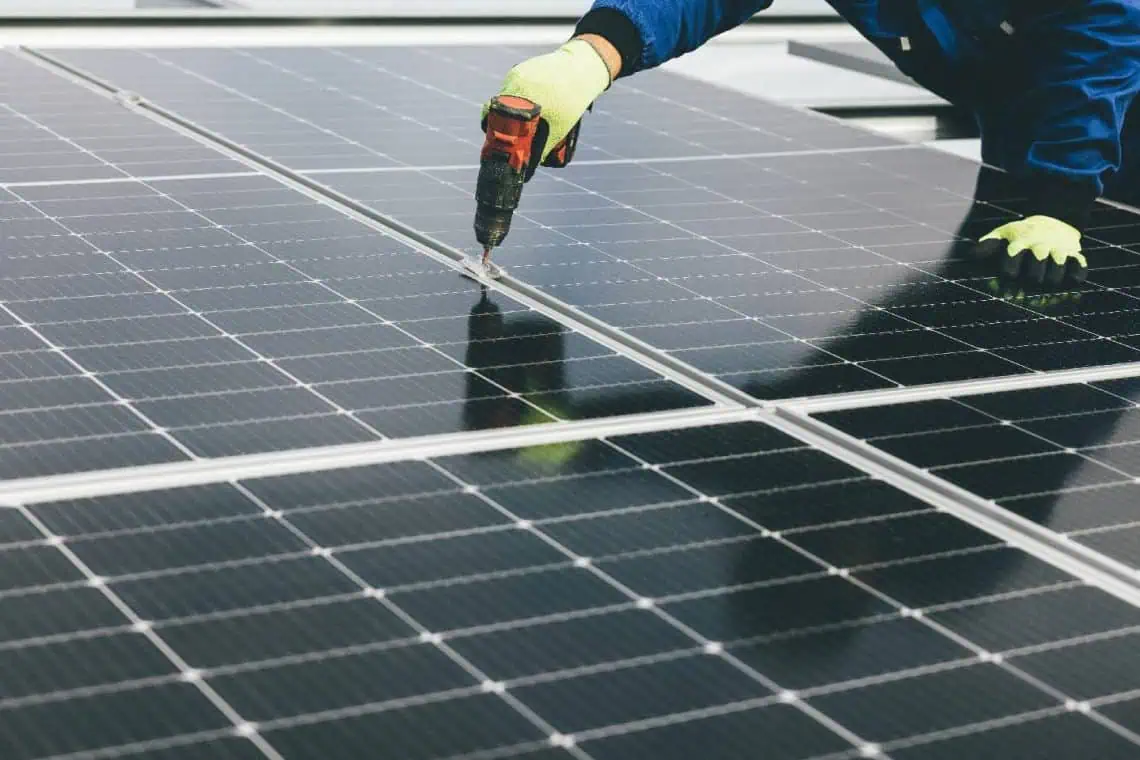

On October 24, 2025, the Port of Durban begins a major solar and equipment upgrade designed to cut emissions, improve reliability and speed up shipments from KwaZulu-Natal (KZN). The initiative—led by Transnet and coordinated with local authorities—pairs rooftop and carport solar with energy-efficient equipment and terminal upgrades to reduce diesel dependence and strengthen cold-chain reliability for agricultural exporters and manufacturers.
Why the timing matters
Durban handles the bulk of South Africa’s container traffic and has long suffered congestion and ageing infrastructure; recent commitments by Transnet signal a multi-year recovery plan that blends modernisation with green energy. The corporation has outlined a R127-billion investment package over five years to revive ports and rail links—funding that underpins planned port electrification and equipment upgrades.
Nearby, a 20MW solar plant at Richards Bay is already moving through procurement and construction stages, offering a tested model for how on-site PV can stabilise power for port operations and users. Durban’s planned rooftop and carport installations aim to generate utility-scale output across key terminals and support electrified handling equipment as it comes online through 2026.
What the upgrades include
The package combines grid-tied PV across terminal roofs and carports, targeted energy storage where needed, and a fleet refresh for container handling. Transnet Port Terminals announced a R3.4-billion investment to upgrade Durban Container Terminals with new rubber-tyred gantries and other handling equipment—moves meant to cut idle time and lift throughput.
Equipment deals and partnerships signed in 2025 include long-term arrangements for modern cranes and lifecycle support; new cranes and hybrid/electric handling units reduce diesel burn and allow terminals to run more on locally produced renewable power as PV capacity increases.
Benefits for KZN exporters
Reliable, lower-cost power and faster yard moves shrink vessel and truck turnaround times. That matters for fresh produce and perishable exports that depend on continuous cold-chain power, and for manufacturers that need dependable energy to sync assembly and shipping schedules. Reduced delays also trim extra handling costs and demurrage that erode exporters’ margins.
Smaller freight forwarders and growers stand to benefit disproportionately: cleaner on-site energy and faster throughput can lower per-container operating costs and reduce spoilage for cold-sensitive cargoes during peak seasons—real gains for livelihoods across KZN’s agricultural supply chain.
How global green-port trends informed the plan
Durban’s approach mirrors a global shift toward cleaner, more resilient ports: a wave of grant programmes and investments abroad has shown how targeted funding for zero-emission equipment and solar microgrids can shrink emissions while keeping cargo moving. Large grant programmes and port-level plans have accelerated electrification and helped ports modernise berthing and cargo handling without sacrificing throughput.
Regional partnerships and capacity building
Durban’s upgrades also create space for regional suppliers and installers to scale up: local solar-assembly and maintenance firms can use the port as a testing and service hub, while training initiatives aim to help the existing workforce transition into greener roles in operations and maintenance.
Meanwhile, strategic infrastructure partnerships and financing flows from international initiatives have supported renewable port projects across Africa; those precedents offer both technical models and financing pathways that Durban can adapt while managing commercial and sovereign risk.
Bottom line
Transnet’s solar and equipment push in Durban is more than an environmental statement: it’s a practical bet on reliability and competitiveness. If the projects meet their targets, KZN exporters could see lower energy costs, fewer weather- and fuel-driven interruptions, and quicker port turnaround—advantages that translate directly into export competitiveness and new green-logistics job opportunities.