

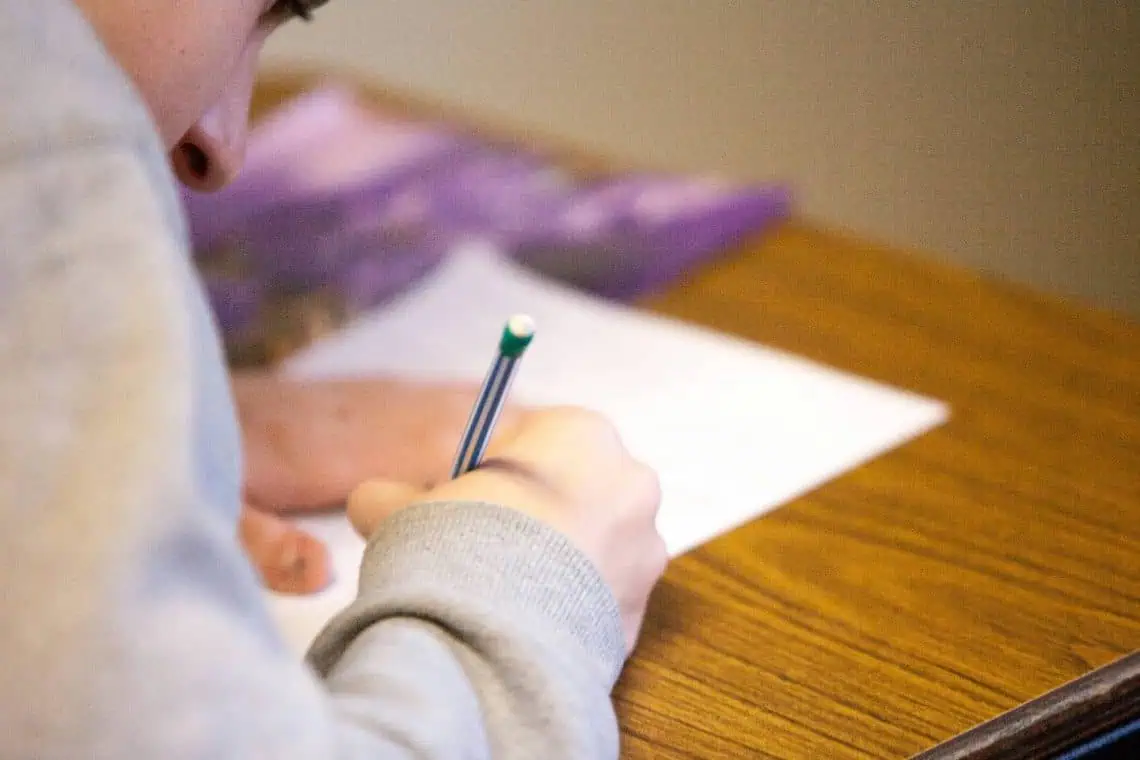

The Class of 2025 kicked off their final exams on October 21, with more than 900,000 learners across the country seated for the National Senior Certificate (NSC). The Department of Basic Education (DBE) reports that the initial days proceeded with few disruptions, but vigilance remains high as concerns about leaks linger.
Operational Readiness and Execution
On day one, learners tackled the Computer Applications Technology (CAT) practical component, which proceeded smoothly across the country. The DBE credits this to months of logistical preparation and contingency planning—particularly for challenges like load shedding and transport disruptions. The total number of candidates — over 900,000 — marks the largest cohort in the history of NSC testing.
The following days featured home language and writing papers. Provincial reports indicate orderly conduct at examination sites, and Umalusi (the quality assurance body) confirmed that inspectors were deployed to thousands of centers. Meanwhile, President Cyril Ramaphosa encouraged learners to remain focused, calling their moment “an opportunity to make the nation proud.”
Fortifying Against Leaks
Past matric cycles have been marred by exam paper leaks — in 2023 alone, hundreds of irregularities prompted rewrites and law enforcement action. Ahead of 2025, teachers’ unions and civil society called for stricter safeguards.
In response, the DBE rolled out GPS tracking for exam-transport vehicles, sealed containers, biometric access controls, and randomized delivery routes. These measures are designed to prevent unauthorized detours or tampering during transit. Umalusi retains authority to disqualify offenders, enforce bans of up to three years, and refer cases for criminal prosecution. Despite no confirmed leaks so far, social media chatter and past precedent fuel ongoing anxiety.
AI, Security, and the Digital Divide
To tighten integrity further, AI-based proctoring is being piloted in hybrid and online assessments. Algorithms monitor facial cues, eye movement, and ambient sound to flag suspicious behavior. In physical centers, AI-assisted CCTV is also being trialed. Early reports suggest effectiveness, but critics warn of bias and equity gaps — especially in under-resourced or rural settings with limited connectivity. As Week 1 passes without incident, these systems face their first real test under pressure.
Voices from the Ground
At Forte Secondary in Soweto, learners described the week as “smoother than expected.” One student said, “No queues, no drama.” School leaders echoed that learners arrived focused and disciplined.
On social platforms, conversations struck a delicate balance between pride and caution. A typical post read: “Nailed the language paper, but leaks got me side-eyeing everything.” The message is clear: even where execution has been solid, trust remains fragile.
Looking Ahead
As Week 1 closes, Mathematics and Sciences loom large in Week 2’s spotlight. The DBE’s challenge is twofold: maintaining operational excellence while ensuring zero breaches in security. In a high-stakes exam environment, integrity isn’t a feature — it’s the foundation.
The Class of 2025 finds itself at a turning point. The pressure is real, but so is possibility. In these weeks ahead, proving the system can deliver a fair and credible assessment may matter as much as marks on the paper.