

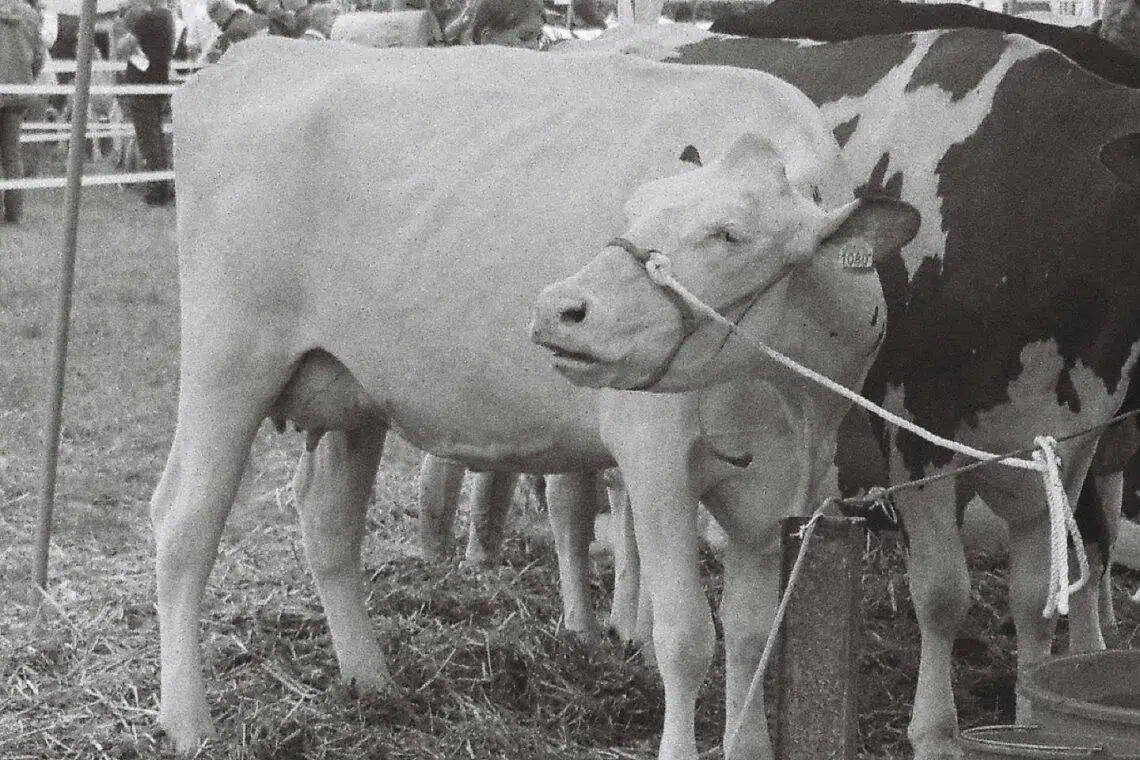

South Africa’s cherished braai tradition is under pressure this festive season as the persistent foot-and-mouth disease (FMD) outbreak continues to drive up red meat prices. With ongoing cases in multiple provinces, supply constraints and movement restrictions are keeping beef and lamb costs elevated, adding extra strain to holiday budgets.
What is Foot-and-Mouth Disease?
Foot-and-mouth disease is a highly contagious viral infection that affects cloven-hoofed animals such as cattle, sheep, goats, and pigs. Symptoms include fever, blisters on the mouth and hooves, excessive salivation, and lameness. While it rarely proves fatal in adult animals, FMD significantly impacts milk production, weight gain, and overall livestock health.
FMD poses no danger to human health, and meat from affected or recovered animals remains safe for consumption. However, outbreaks trigger strict quarantines, animal movement bans, and occasional culling, disrupting supply chains and contributing to market shortages and higher prices.
The Ongoing 2025 Outbreak
The current wave of outbreaks escalated in early 2025, with significant cases linked to auctions and illegal movements. KwaZulu-Natal remains the epicentre, reporting the majority of active infections. Affected provinces include Gauteng (notably a major outbreak at the Karan Beef feedlot in Heidelberg), Free State, North West, Mpumalanga, Limpopo, and recent isolated cases in the Western Cape.
As of late 2025, hundreds of outbreaks have been recorded nationwide, with many still unresolved. Trace-back investigations consistently highlight illegal animal movements and auctions as primary vectors for spread. Export suspensions by key markets, including China, have added economic pressure, resulting in substantial annual losses for the industry.
The Department of Agriculture has rolled out an extensive vaccination programme, importing millions of doses and prioritising high-risk areas. Efforts focus on containment, enhanced surveillance, and pursuing “freedom with vaccination” status from the World Organisation for Animal Health (WOAH).
Effects on Meat Prices
Quarantines and movement controls have reduced slaughter numbers and tightened domestic supply. Beef carcass prices for premium A2/3 grades reached around R74 per kg in December 2025. Meat inflation hit double digits earlier in the year, peaking above 11% before easing slightly, driven largely by FMD-related disruptions.
Unlike past outbreaks where export bans flooded the local market with surplus meat, current restrictions have maintained upward pressure on prices. Festive season demand, combined with supply challenges and occasional panic buying, has amplified costs for popular braai items like boerewors, steaks, and chops.
While slaughter volumes have shown some recovery in recent months, lingering outbreaks and biosecurity measures continue to support elevated prices heading into the holidays.
Impact on Festive Braais
December marks peak braai season in South Africa, with families gathering for large meals centred on red meat. This year’s overlap with persistent FMD challenges means higher costs for traditional beef and lamb dishes. Many households may face significantly larger grocery bills compared to previous years.
Alternatives like poultry and pork remain more affordable, though cultural preferences keep demand strong for beef and lamb. Consumers shifting to lower-grade cuts have also seen price increases in those segments.
Retailers and butchers report steady demand despite the rises, but economists warn that prolonged high prices could encourage greater substitution toward chicken or plant-based options in the longer term.
Wider Economic Effects
Farmers face severe challenges from quarantined herds, unsold stock, overgrazing risks, and rising biosecurity costs. Some operations report financial distress, with threats of closures in hard-hit areas. The Red Meat Producers Organisation has highlighted massive losses in export revenue and threats to rural jobs and food security.
Globally, FMD outbreaks cost billions annually through lost productivity and trade barriers. In South Africa, the crisis underscores vulnerabilities in livestock management, prompting urgent calls for improved veterinary infrastructure, stricter auction controls, and better farmer compliance.
Response from Government and Industry
Agriculture Minister John Steenhuisen has spearheaded a shift toward nationwide vaccination, with millions of doses secured and distributed. Strategies include targeted inoculations in affected provinces, stricter movement protocols, and prosecutions for biosecurity breaches.
Industry groups emphasise prompt symptom reporting, adherence to quarantines, and long-term investments in local vaccine production and traceability systems to prevent future crises.
Looking Ahead to 2026
Successful vaccination and containment could lead to price stabilisation in early 2026, provided no major new outbreaks occur. Achieving WOAH recognition for controlled status would reopen export markets and ease domestic supply pressures.
However, vaccine shortages and ongoing cases remain risks. Consumers may increasingly explore alternatives, while producers focus on herd rebuilding and enhanced biosecurity.
As South Africans gather around the braai this festive season, the FMD outbreak reminds us of the livestock sector’s importance—and its fragility. Higher prices are challenging, but supporting responsible farming practices helps secure this vital part of our economy and culture for the future.