
- Creecy declined a 75c RAF levy increase.
- R2.25 per litre goes to the RAF.
- Levies and duties total R6.58 per litre.
- Master Drive backs phasing out fuel levies.
- Four crash reduction steps suggested for fleets.
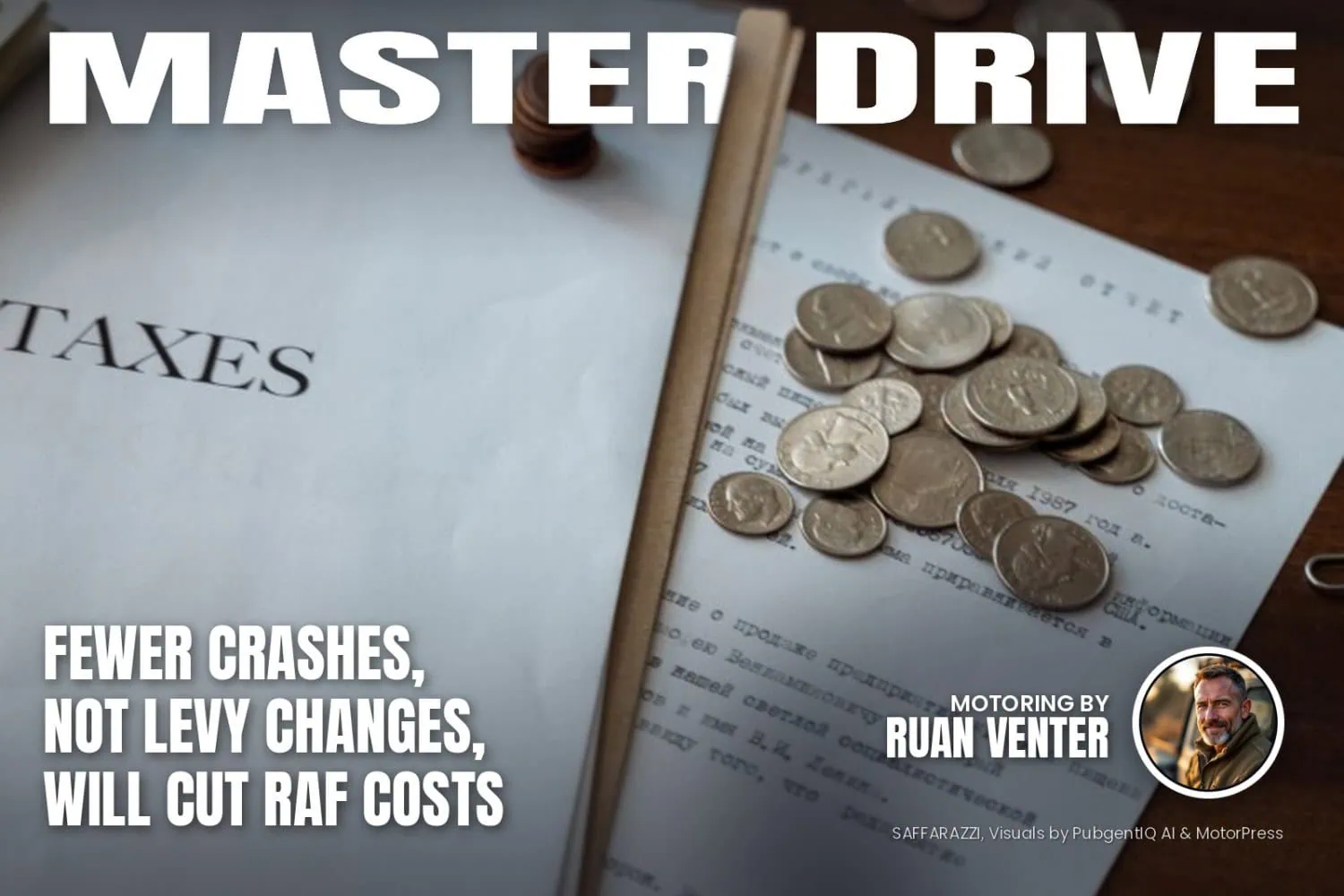
Renewed debate over scrapping fuel levies has drawn a response from Master Drive, after Transport Minister Barbara Creecy declined, in a written parliamentary reply, to increase the Road Accident Fund (RAF) levy by 75c. The company still supports a national conversation on phasing out fuel levies, but argues that the debate misses the real issue: South Africa has too many crashes, and changing who pays for them does not make them cheaper.
Finance Minister Enoch Godongwana had previously said the general fuel levy should be phased out and that the RAF needs a model that does not rely on it. The Automobile Association (AA) backed the call. At present, R2.25 of the R6.58 in levies and duties charged per litre of fuel goes to the RAF.
Master Drive on the cost of crashes
Eugene Herbert, CEO of Master Drive, says the AA’s comments make a point that is easy to miss. “Whether the money comes from a levy, an insurance premium or the national budget, a crash costs the same. The only way to bring that cost down is to have fewer crashes.”
The AA named three root causes of the crashes the RAF pays for: poor road user behaviour, decaying infrastructure and unroadworthy vehicles. Herbert notes that roads and roadworthiness sit largely with government, while behaviour rests with every driver, employer and fleet manager. In his view, most crashes stem from decisions such as following too closely, using a phone, driving tired or travelling too fast for conditions, rather than a lack of vehicle handling skill.
What the RAF levy means for fleets
Using the AA’s example of a business with 100 petrol vehicles, each filling up once a week, such a fleet would pay about R1.7 million a year in fuel levies. Approximately R585 000 of that goes to the RAF. On top of this come the business’s own crash costs, including repairs, insurance excesses, vehicles off the road and staff off work. Herbert says fleet owners therefore pay twice, once at the pump and again when their own vehicles are involved.
Four starting points for fleet managers
The company suggests fleets begin by identifying which drivers, routes and times of day account for most incidents. Training should then target the decisions behind crashes, namely following distance, distraction, fatigue and speed. Schedules, delivery windows and overtime should be checked for whether drivers are pushed past safe limits, and telematics and incident data used to coach drivers over time rather than only after a crash.
Master Drive says it supports the push to make fuel cheaper and the RAF sustainable. “If all we change is who pays, we will have the same conversation in five years. Fewer crashes is the reform that pays for itself,” said Herbert.
Supplied by MotorPress (Samantha Greathead, MasterDrive South Africa)
This story is based on aggregated news, press release(s) or other sources and was prepared with the help of AI tools, which can make mistakes. Prices, specifications, general information and availability may change, so confirm the details with the manufacturer, other news sources or a dealer.
Enjoyed this story? We need your help.
Add Saffarazzi as a preferred source. You’ll see more of our stories on Google, and you’ll help us grow.