

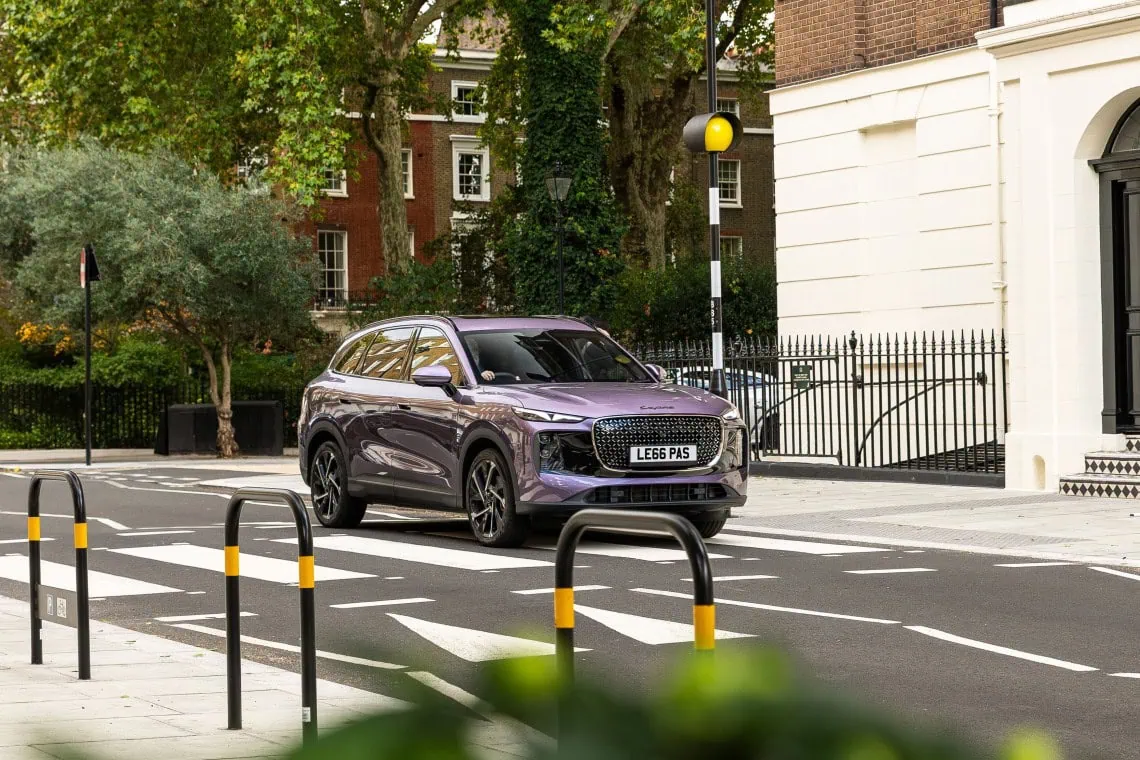
- Zebra crossing marks 75th anniversary.
- First installed in Slough, 31 October 1951.
- Seven per cent fewer pedestrian casualties in year one.
- AEB standard across the LEPAS range.
LEPAS has compiled ten little-known facts about the zebra crossing to mark 75 years since the first official permanent example appeared on Slough High Street on 31 October 1951. It was introduced to improve road safety as post-war traffic increased.
After much research, trial and error, the answer was distinctive black-and-white road markings flanked by flashing Belisha beacons. In the UK, a zebra is an unsignalised pedestrian crossing with zig-zag approach markings. Under the Highway Code, drivers, motorcyclists and cyclists must give way to pedestrians already on the crossing and should give way to those waiting to cross.
How the zebra crossing came about
Around 1 000 experimental striped crossings were tested across the UK in 1949. Black and white was chosen after blue-and-yellow and red-and-white trials because it was judged the most conspicuous, and broad markings proved more visible than earlier metal studs. The beacons came first, introduced in 1934 and named after Minister of Transport Leslie Hore-Belisha, with the very first placed on Kensington Road on the southern edge of Hyde Park.
The design emerged from the Road Research Laboratory, forerunner to today’s Transport Research Laboratory, which reported a seven per cent fall in pedestrian casualties in the first year. The ‘zebra’ nickname is widely attributed to James Callaghan, then an MP and later Prime Minister, though this was never conclusively proved.
Abbey Road, Shibuya and the crossing family
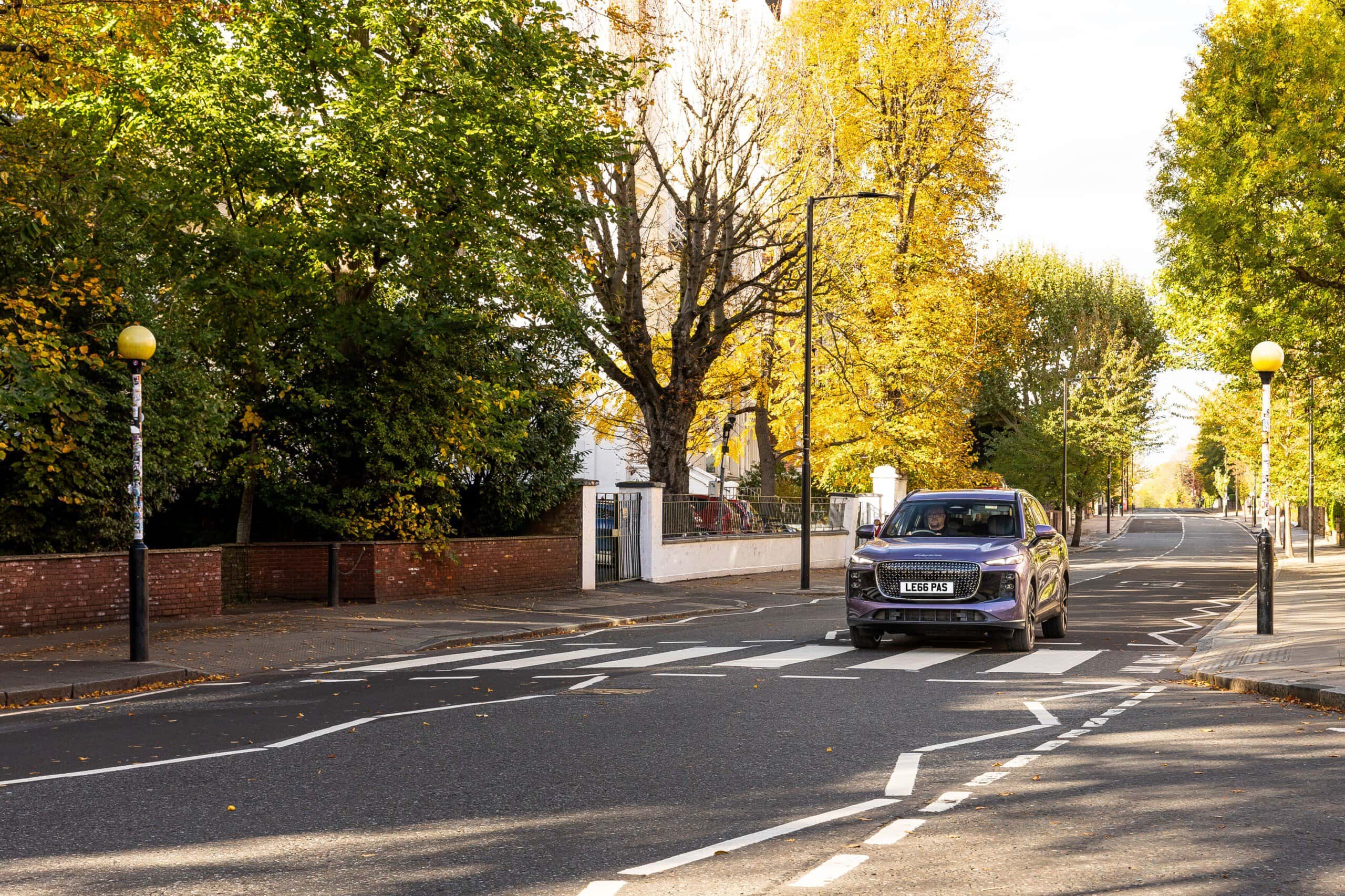
Variations now exist across Europe, Asia, the Americas, Africa and Australasia. The crossing outside Abbey Road Studios featured on the cover of The Beatles’ 1969 album and remains a working part of London’s road network, while at Tokyo’s Shibuya junction an estimated 1 000 to 2 500 people cross every two minutes at peak times. In Raunds, Northamptonshire, the UK’s smallest zebra measures just under 3.5 metres.
Britain also has Pelican, Puffin, Toucan, Pegasus and Tiger crossings. In September 2026, Cheshire West and Chester Council unveiled a TRIXIE crossing, a signal-controlled design with dedicated points for pedestrians, cyclists and horse riders.
LEPAS safety technology on modern cars
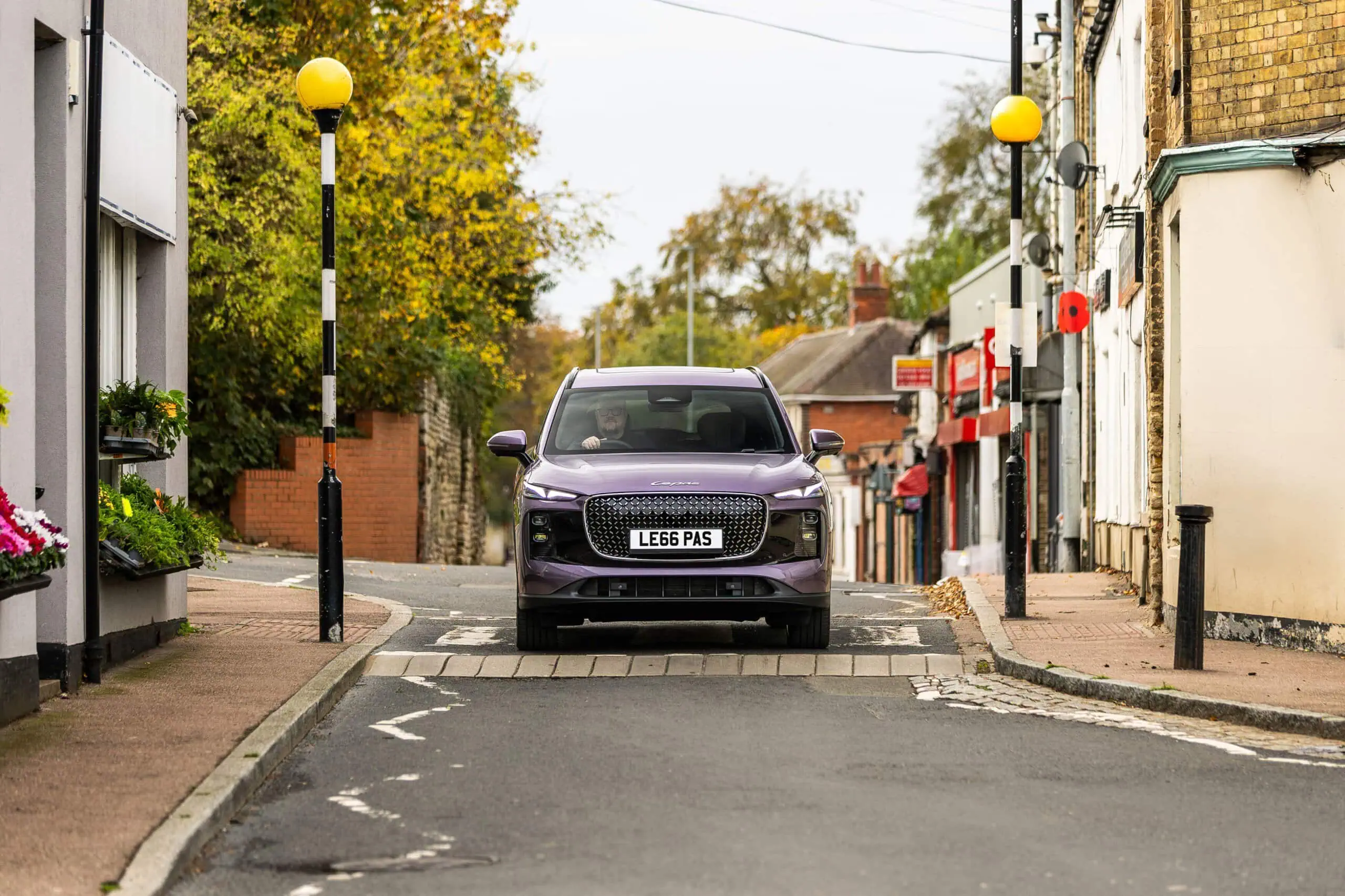
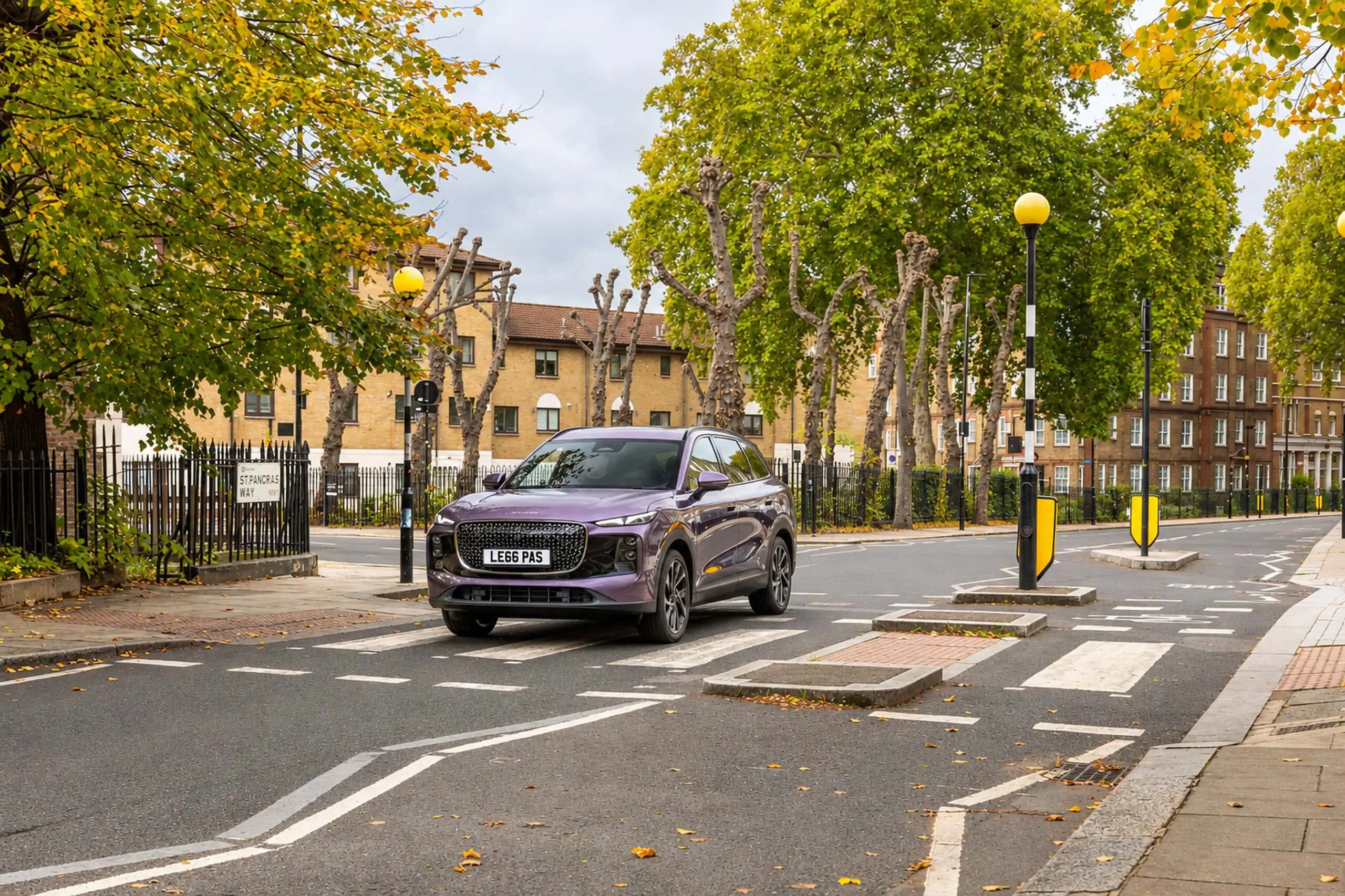
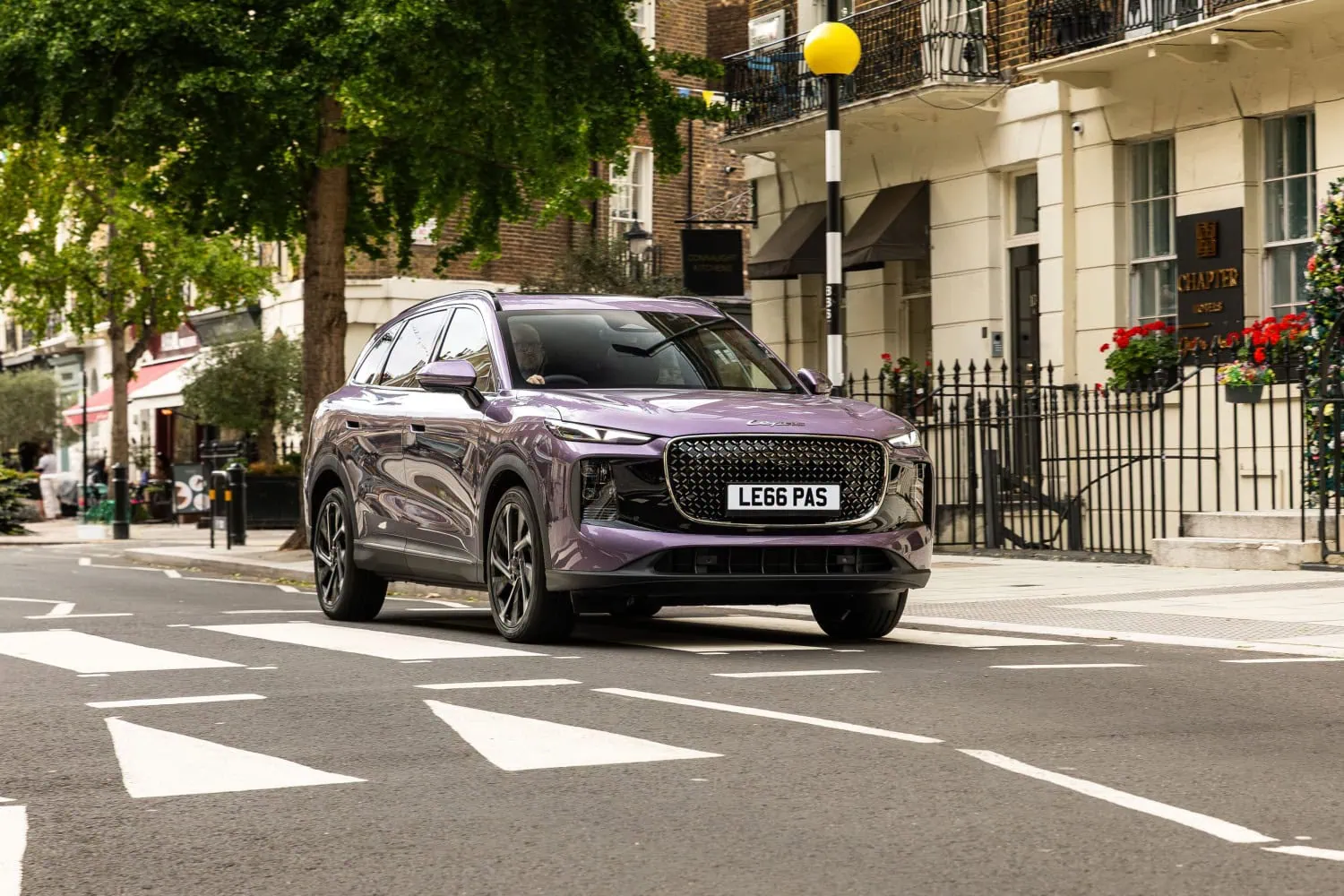
Autonomous Emergency Braking is fitted as standard across the LEPAS range and can automatically apply the brakes to help avoid or mitigate a forward collision. It works with front-distance monitoring and emergency lane keeping. Parking sensors and a 540° camera system, as seen on the L8, give a clearer view of the immediate surroundings at low speeds, helping raise awareness of nearby pedestrians and cyclists.
Ray Wang, Managing Director of LEPAS UK, called the zebra crossing “an extraordinary example of British design: a simple, beautiful and instantly recognisable innovation that makes everyday life safer.” LEPAS is a design-led new-energy vehicle brand from Chery Auto.
Supplied by Newspress UK (LEPAS UK)
This story is based on aggregated news, press release(s) or other sources and was prepared with the help of AI tools, which can make mistakes. Prices, specifications, general information and availability may change, so confirm the details with the manufacturer, other news sources or a dealer.
Enjoyed this story? We need your help.
Add Saffarazzi as a preferred source. You’ll see more of our stories on Google, and you’ll help us grow.