


- Households spend up to 45% of income commuting.
- Stats SA average mobility spend is 16%.
- Government policy ceiling sits at 10%.
- R5.1 billion paid to Bombela over four years.
- AA proposes three immediate reforms.
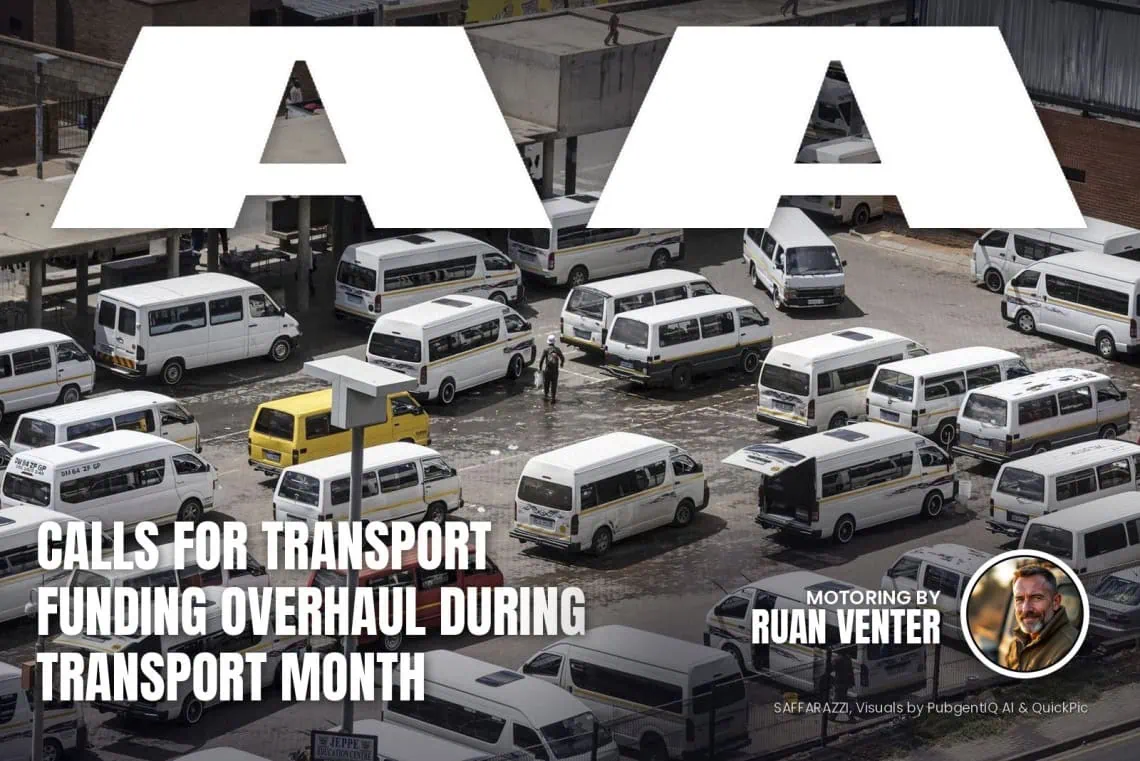
Working-class households in South Africa spend up to 45% of their monthly income just to get to work, according to the Automobile Association of South Africa (AA). The association has used Transport Month to describe the broken public transport network as an engine of economic exclusion.
“South Africa has engineered a structural poverty trap on wheels,” says Bobby Ramagwede, CEO of the AA.
What commuting costs South African workers
Stats SA reports that households spend an average of 16% of total expenditure on mobility, well above the government’s 10% policy ceiling. Tracking by the Pietermaritzburg Economic Justice and Dignity Group (PMBEJD) shows transport and electricity consume up to 64.6% of the national minimum wage. On R5 078 a month, an average worker spends R1 520 on transport, leaving under R1 800 to feed a family.
Because many low-income workers live on urban peripheries, most take two minibus taxis each way. At R18 per leg, that comes to R72 a day, or roughly R1 580 a month. The taxi industry carries over 80% of public transport users yet receives no direct operational subsidies, so commuters absorb every fuel price rise. “They are choosing between taxi fares and buying protein for their children,” Ramagwede says.
AA criticism of Gautrain spending
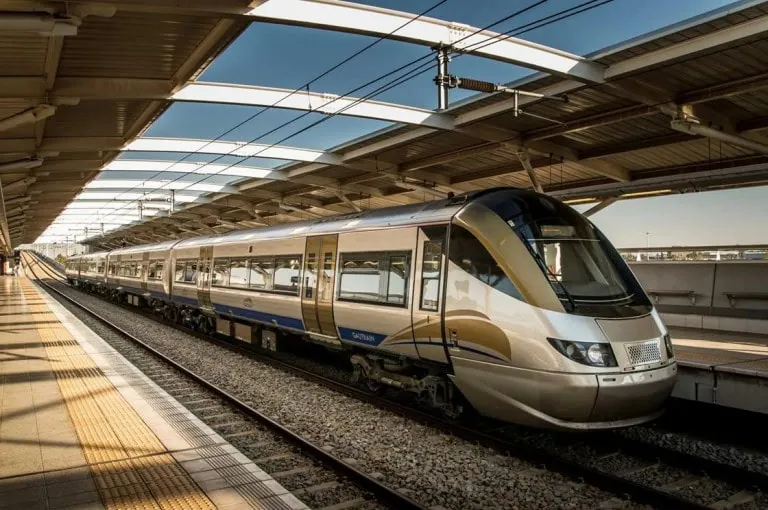
Between FY 2019/20 and FY 2022/23, the Gauteng Department of Roads and Transport paid over R5.1 billion to the Bombela Concession Company under patronage guarantees, while Gautrain passenger trips dropped from 13.9 million to 7.9 million. Over the same period, Metrorail corridors serving working-class communities decayed from vandalism and neglect.
Ramagwede also dismissed the Gautrain Management Agency’s planned app-based e-hailing service, Gau Express, predicting it will fail in a low-margin market and add more cars to congested roads.
Three reforms proposed by the AA
Beyond households, the association notes that businesses lose productivity to exhausted staff, corporate fleets face rising operating costs and consumer-facing sectors suffer as more disposable income goes to transport and fuel.
The AA wants government to shift funding from high-speed rail guarantees to taxi ranks, Bus Rapid Transit and commuter rail, to commission an independent audit of the General Fuel Levy and Road Accident Fund levies, and to build well-lit, safe walkways and non-motorised transit corridors linking residential areas to major transit ranks.
Supplied by QuickPic (AA)
This story is based on aggregated news, press release(s) or other sources and was prepared with the help of AI tools, which can make mistakes. Prices, specifications, general information and availability may change, so confirm the details with the manufacturer, other news sources or a dealer.