

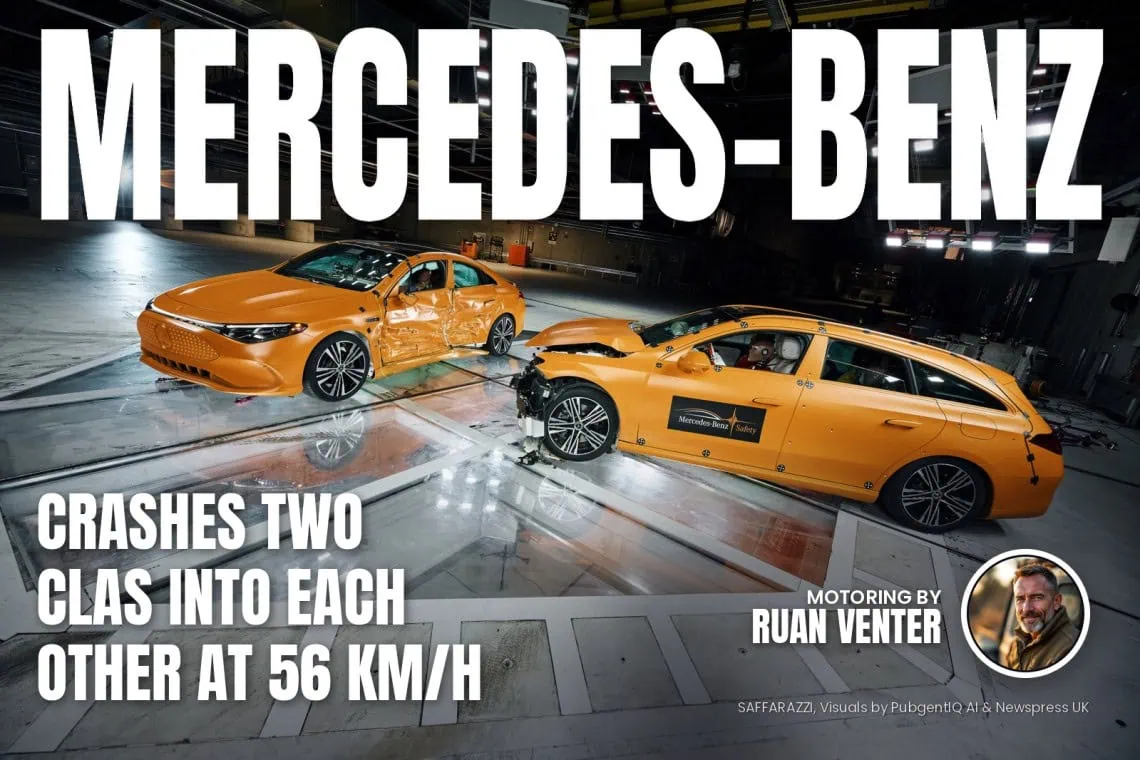

- Two CLAs collided in public side-impact test.
- Both vehicles travelling at 56 km/h.
- Each vehicle weighed more than two tonnes.
- High-voltage battery remained intact and undamaged.
- Rescue Intelligence rollout from 2027 onwards.
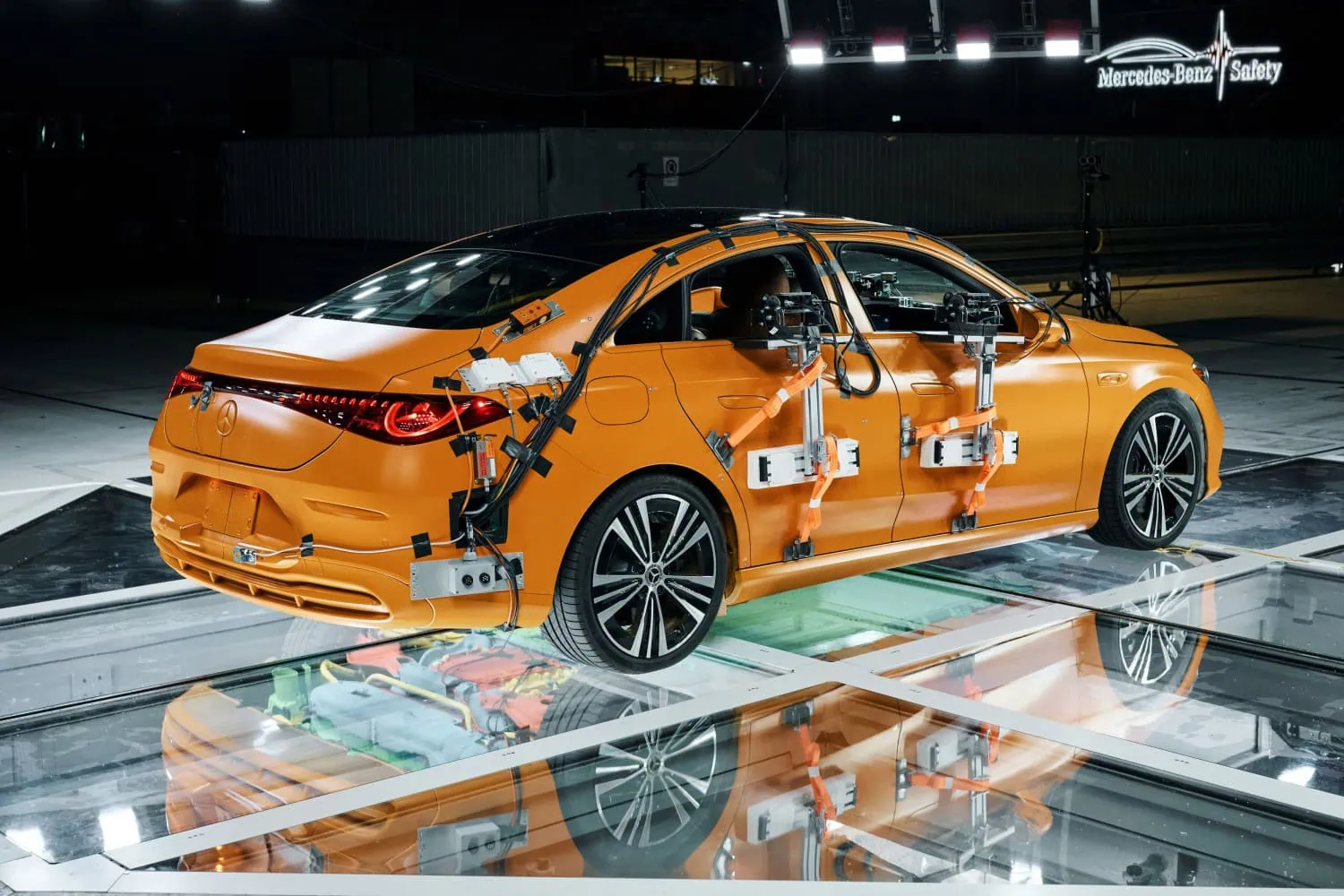
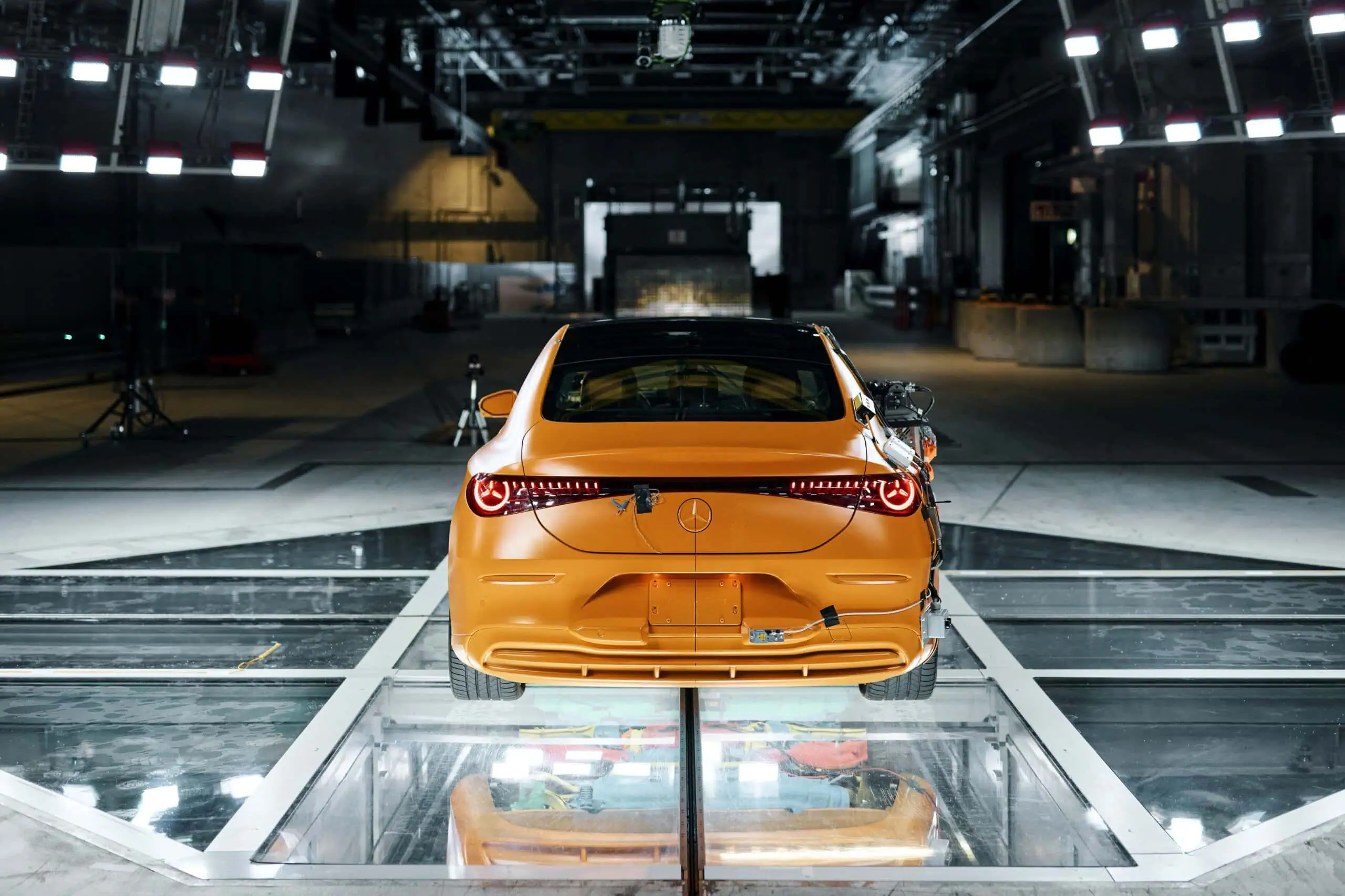
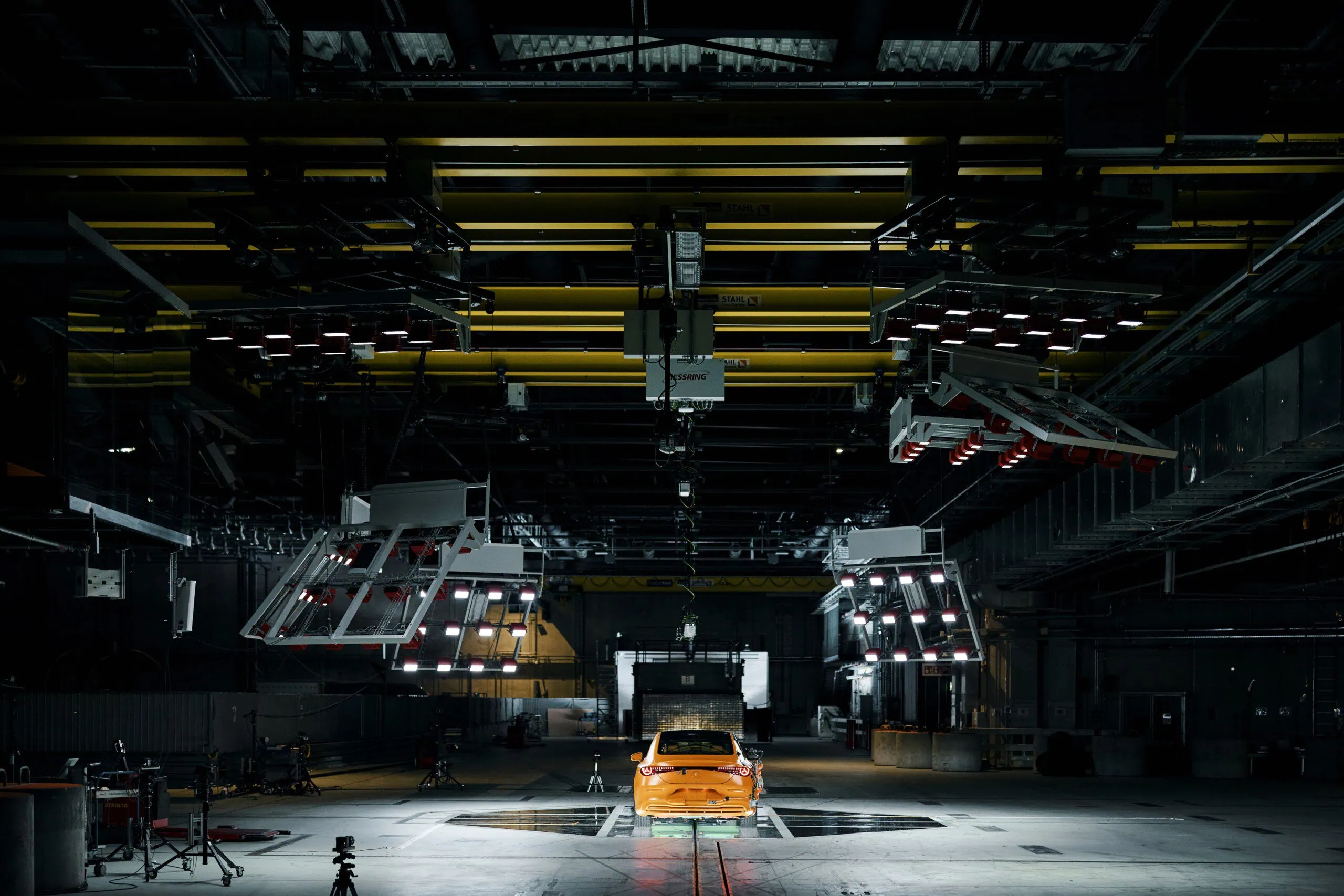
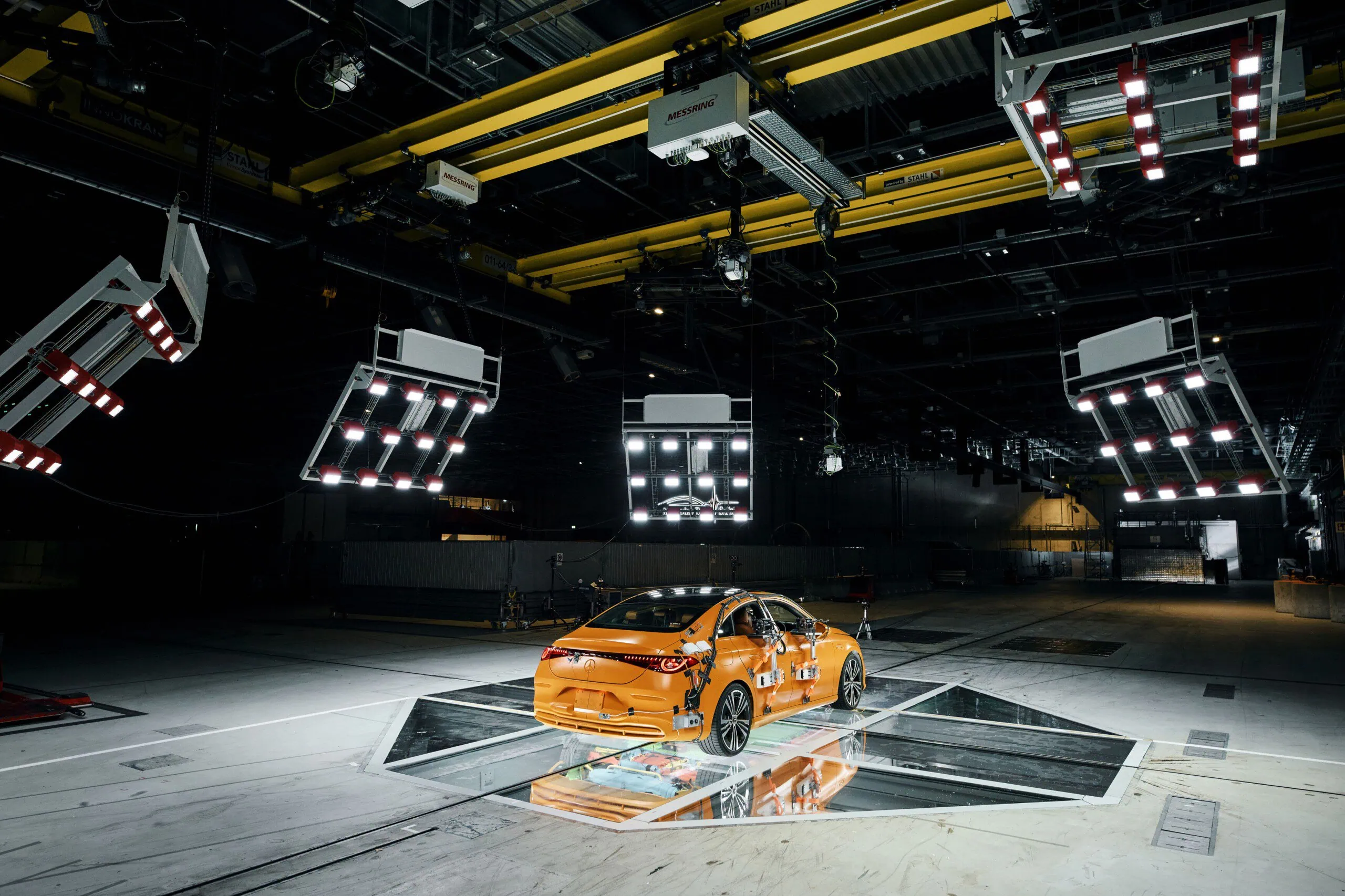
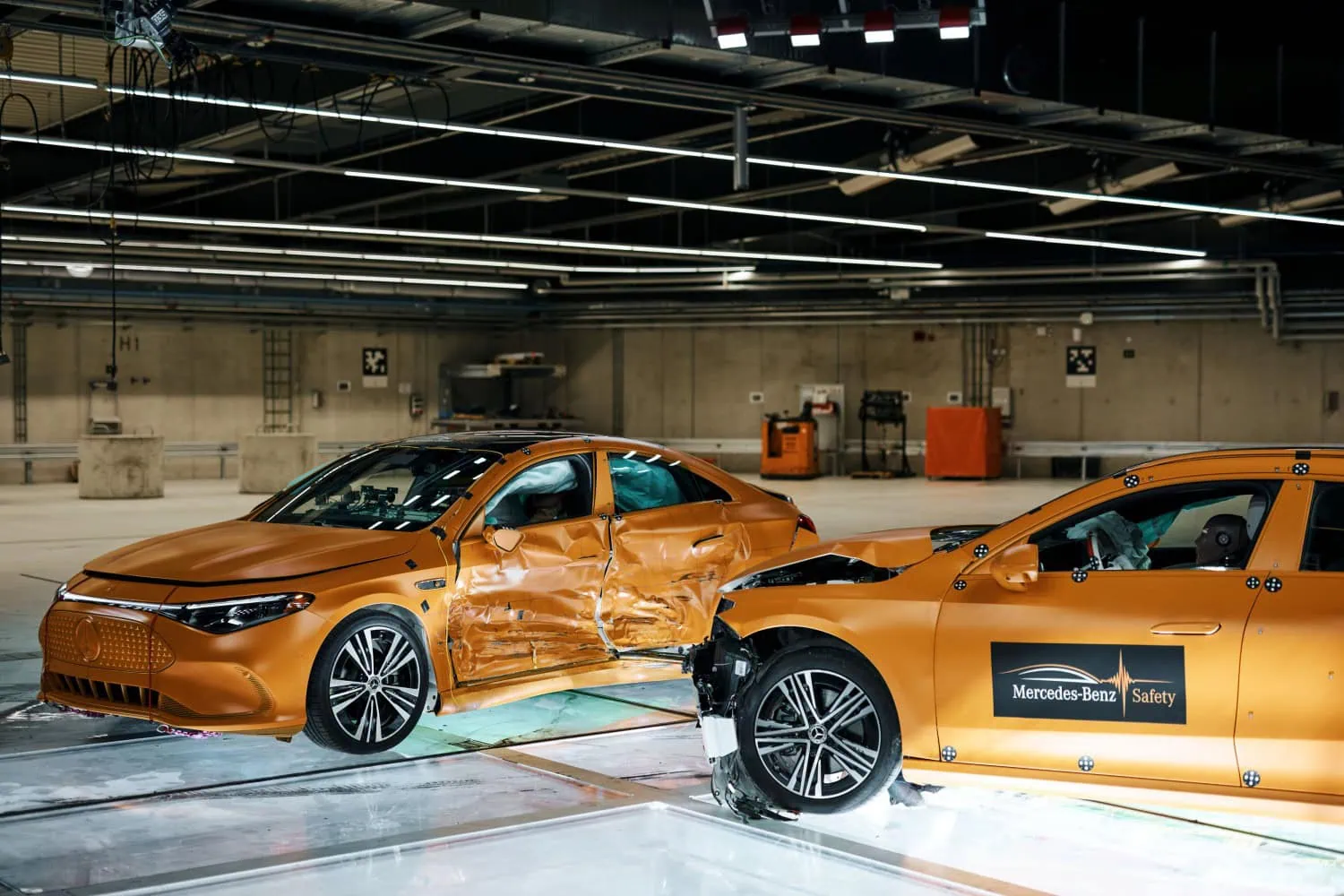
In what the company calls the world’s first live high-speed side-impact crash test with two production vehicles, Mercedes-Benz drove a CLA Shooting Brake with an electrified combustion engine into the driver’s side of an all-electric CLA. Both cars were travelling at 56 km/h, and as is customary for such tests, there was no braking beforehand.
In everyday traffic, the driver assistance systems in the CLA are designed to help avoid this kind of collision or reduce its severity. The test removed that help on purpose, pairing an unchecked impact with two vehicles each weighing more than two tonnes.
Why the CLA side-impact scenario is severe
According to the brand’s own accident research, 56 km/h for both vehicles sits at the upper end of real-world junction accidents and is higher than speeds normally seen in city-centre traffic. There is far less space at the side of a car to absorb energy than at the front, which makes this one of the most critical accident types for occupants and structure alike.
No law or safety rating requires a side-impact test between two real vehicles. Standard tests use stationary barriers or impact vehicles, while around a quarter of accidents causing personal injury are side-impact collisions.
Crash test results for both CLA models
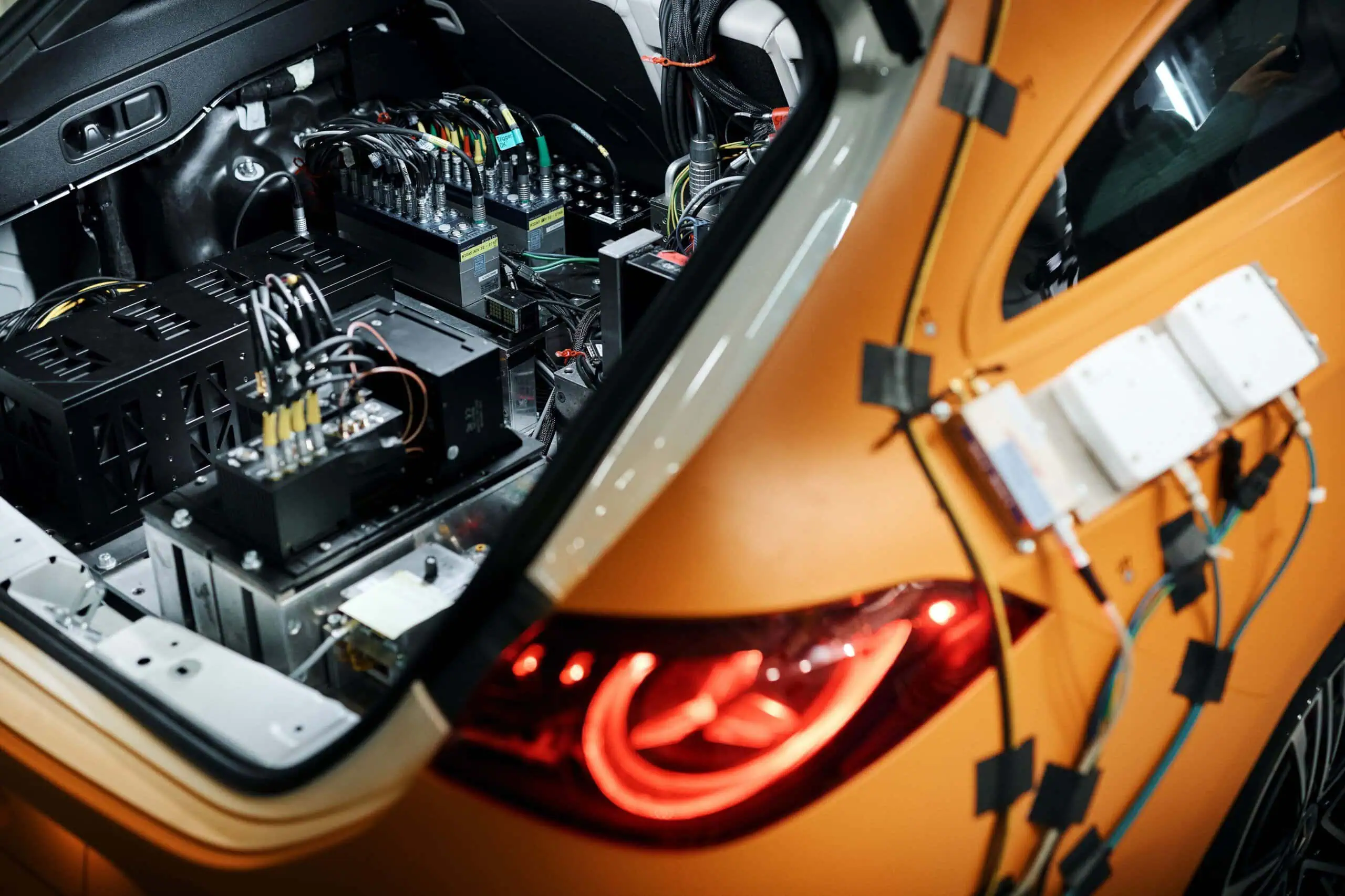
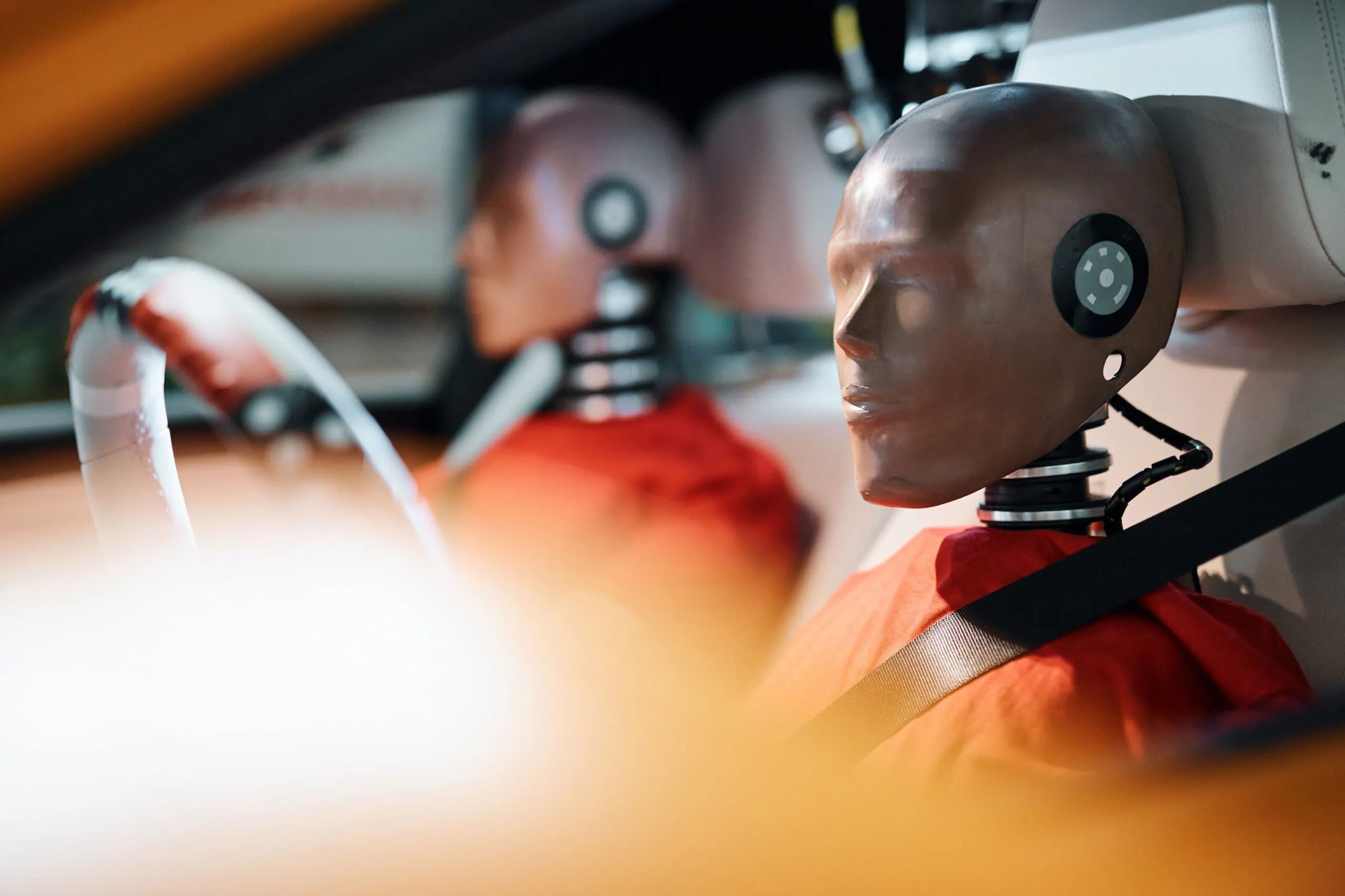
The passenger compartments of both cars stayed intact. Readings from all eight dummies, representing four adults and four children, remained below the relevant biomechanical limits, with up to 150 measurement points recorded per dummy. The results point to a low risk of serious or life-threatening injuries, and the high-voltage battery in the electric car was undamaged.
“If you want to build the safest vehicles, you need to incorporate insights from real-world accidents into your vehicle development requirements,” said Paul Dick, Director of Vehicle Safety at Mercedes-Benz AG.
Accident research and virtual testing
The manufacturer has investigated and reconstructed real accidents since 1969, with around 6,000 analysed by teams in Germany, China and India. Every new model goes through around 15,000 crash simulations, supported by artificial intelligence, and about 150 physical crash tests.
Mercedes-Benz Rescue Intelligence from 2027
Also shown for the first time was Mercedes-Benz Rescue Intelligence, set to be rolled out gradually from 2027 onwards. It links crashed vehicles directly to emergency services, so crews en route can see, depending on technical availability, the number of occupants, airbag and seat belt status, open doors, battery temperature and the condition of the high-voltage system, helping them choose rescue equipment sooner.
Supplied by Newspress UK (Mercedes-Benz)
This story is based on aggregated news, press release(s) or other sources and was prepared with the help of AI tools, which can make mistakes. Prices, specifications, general information and availability may change, so confirm the details with the manufacturer, other news sources or a dealer.