


- Oxford and Polestar pilot study on driver experience.
- Twelve drivers tested two Polestar 4 versions.
- 32% higher peak acceleration with Performance pack.
- 15% less steering effort on matched laps.
- Larger study needed to confirm findings.
Researchers from the University of Oxford’s SDG Impact Lab have completed a pilot study with Polestar that combined vehicle telemetry with heart-rate monitoring, eye tracking, psychological assessments and interviews. The aim was to connect what a performance car does with how the person behind the wheel responds.
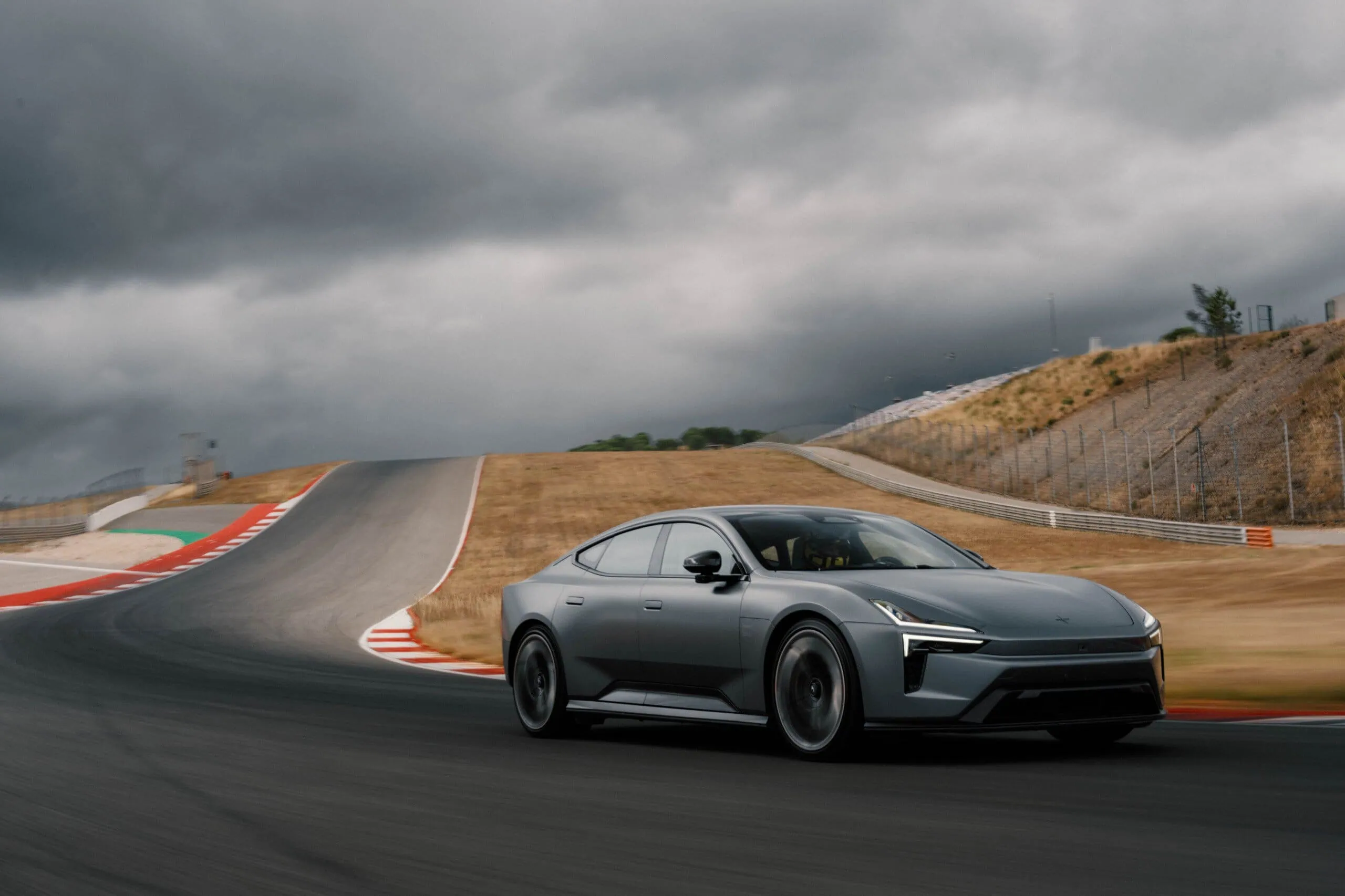
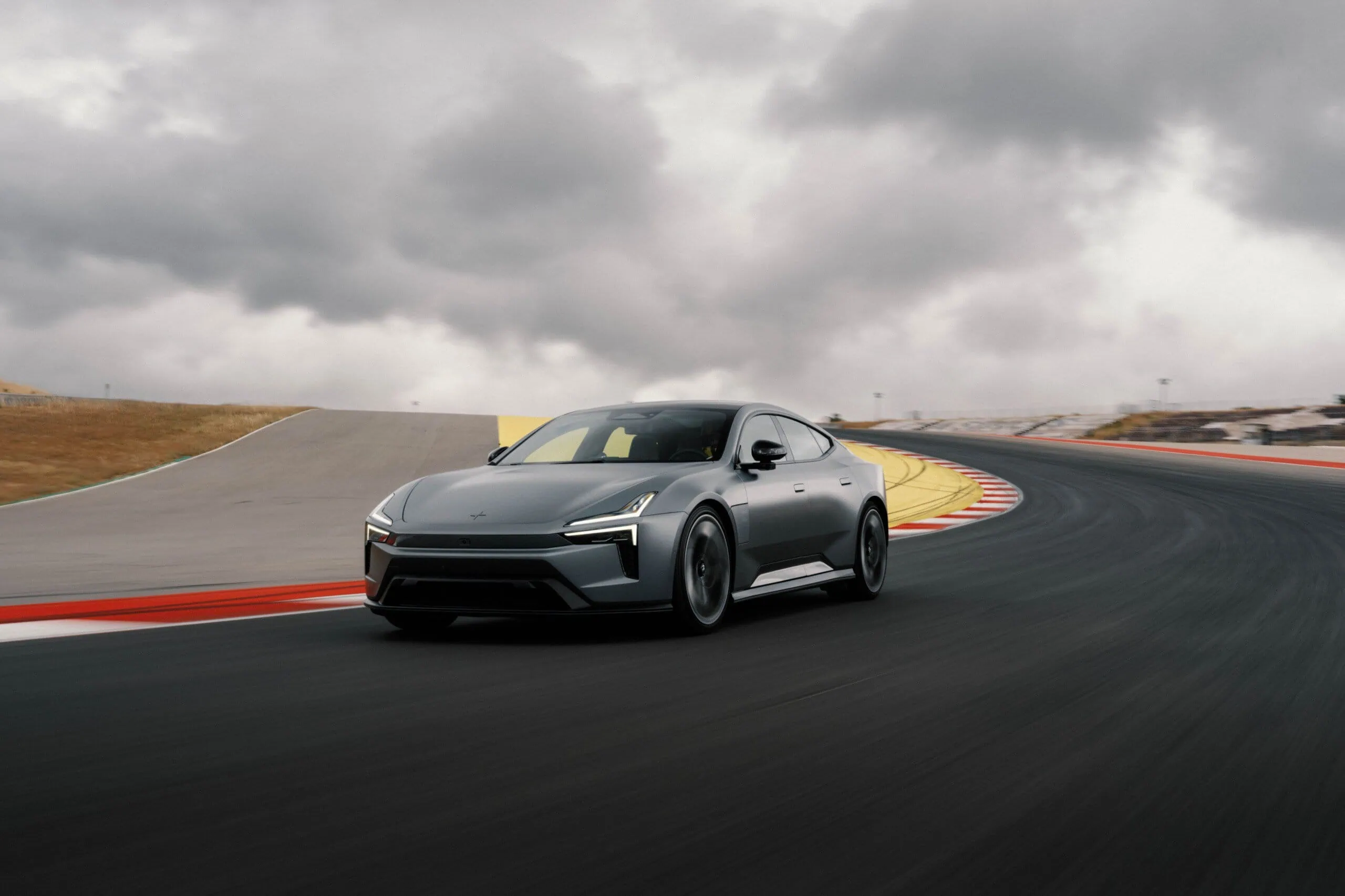
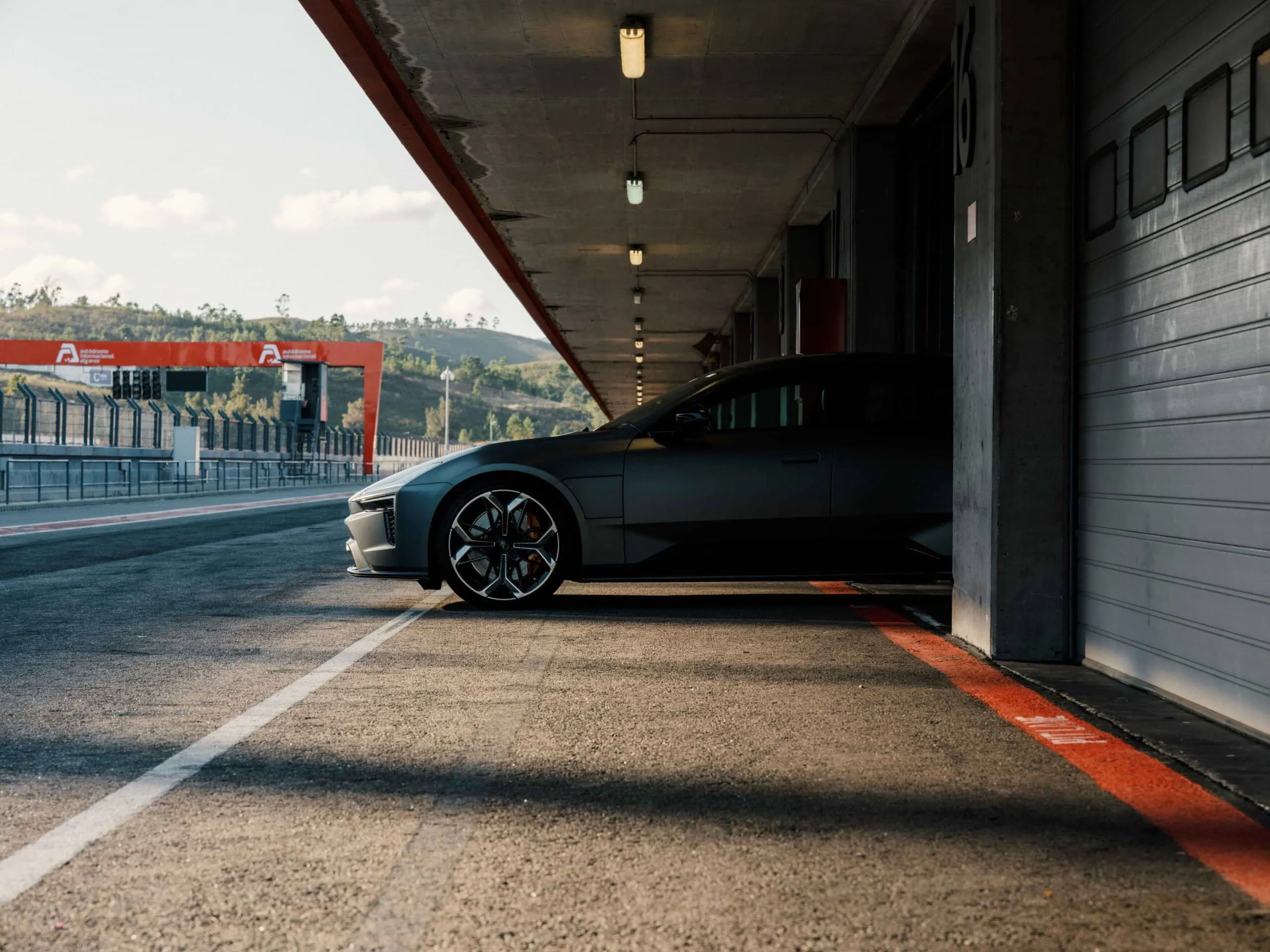
Twelve drivers took two versions of the Polestar 4, the Rear motor and the Dual motor with Performance pack, around the Gotland Ring in Sweden in both calm and dynamic driving conditions.
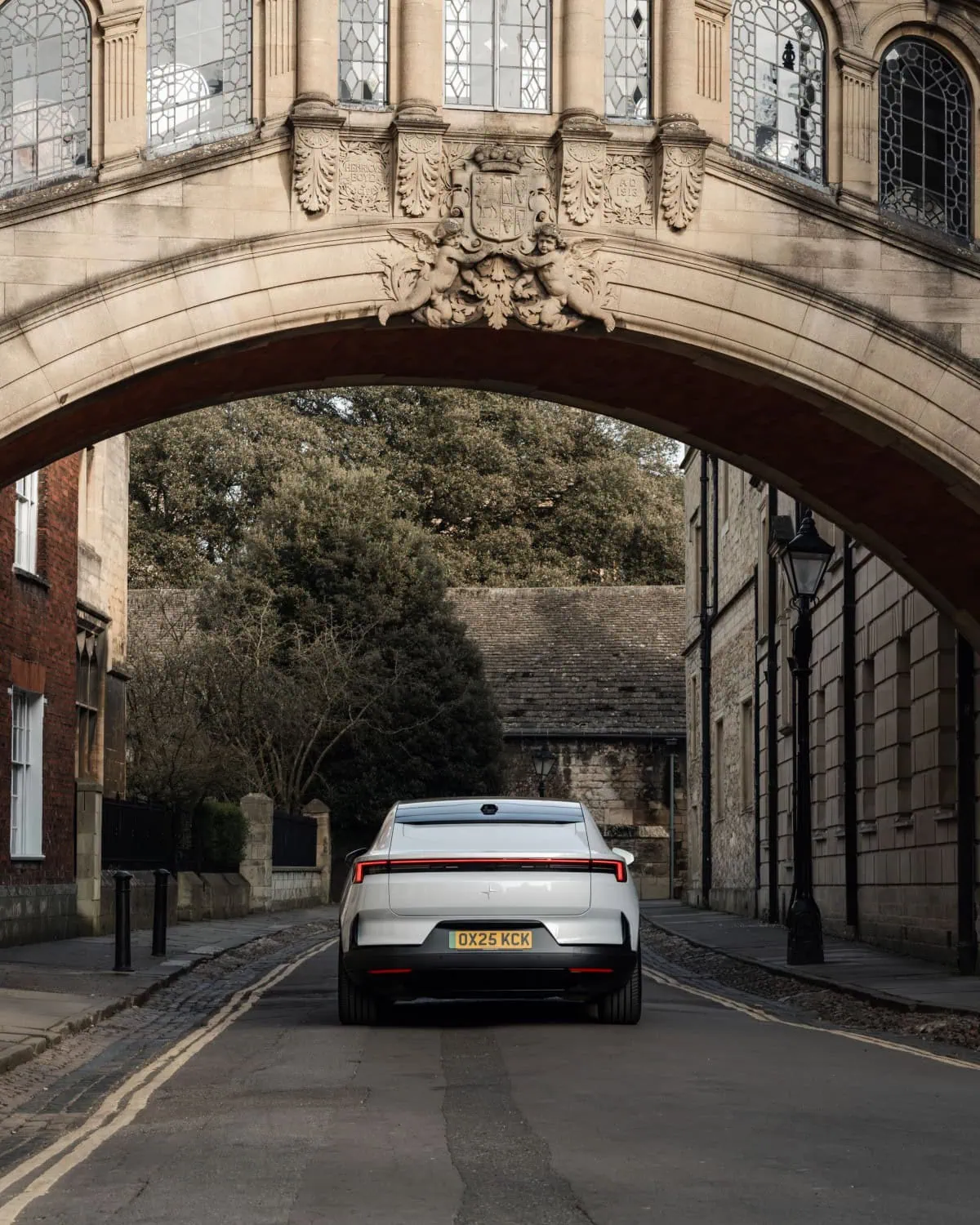
What the Gotland Ring data showed
Several measures proved sensitive to changes in driving conditions and vehicle performance. During dynamic driving, participants blinked less, their pupils became larger and they held their gaze longer, patterns consistent with deeper attentional engagement. Telemetry could also be linked to shifts in physiological activation, so the team could study the driver’s response alongside what the car was doing.
On matched fast laps with virtually identical pace, the Dual motor version used its 400 kW/544 hp, against 200 kW/268 hp for the Rear motor, to deliver 32% higher peak acceleration while requiring 15% less steering effort. It also generated greater cornering loads and more frequent hard-acceleration events.
How drivers rated the Polestar 4
On the study’s Performance/Dynamics scale, the Performance version scored 89.2 out of 100, compared with 67.7 for the Rear motor. Its score for overall experiential quality was 93.0 versus 77.9, and most drivers rated it higher on both measures.
Interviews showed that the experience went beyond physical intensity. Drivers described heightened bodily response combined with trust in the car, a sense of control and deep focus, and several independently compared it to a controlled roller coaster. One participant said the car “makes you feel like a better driver than you are”.
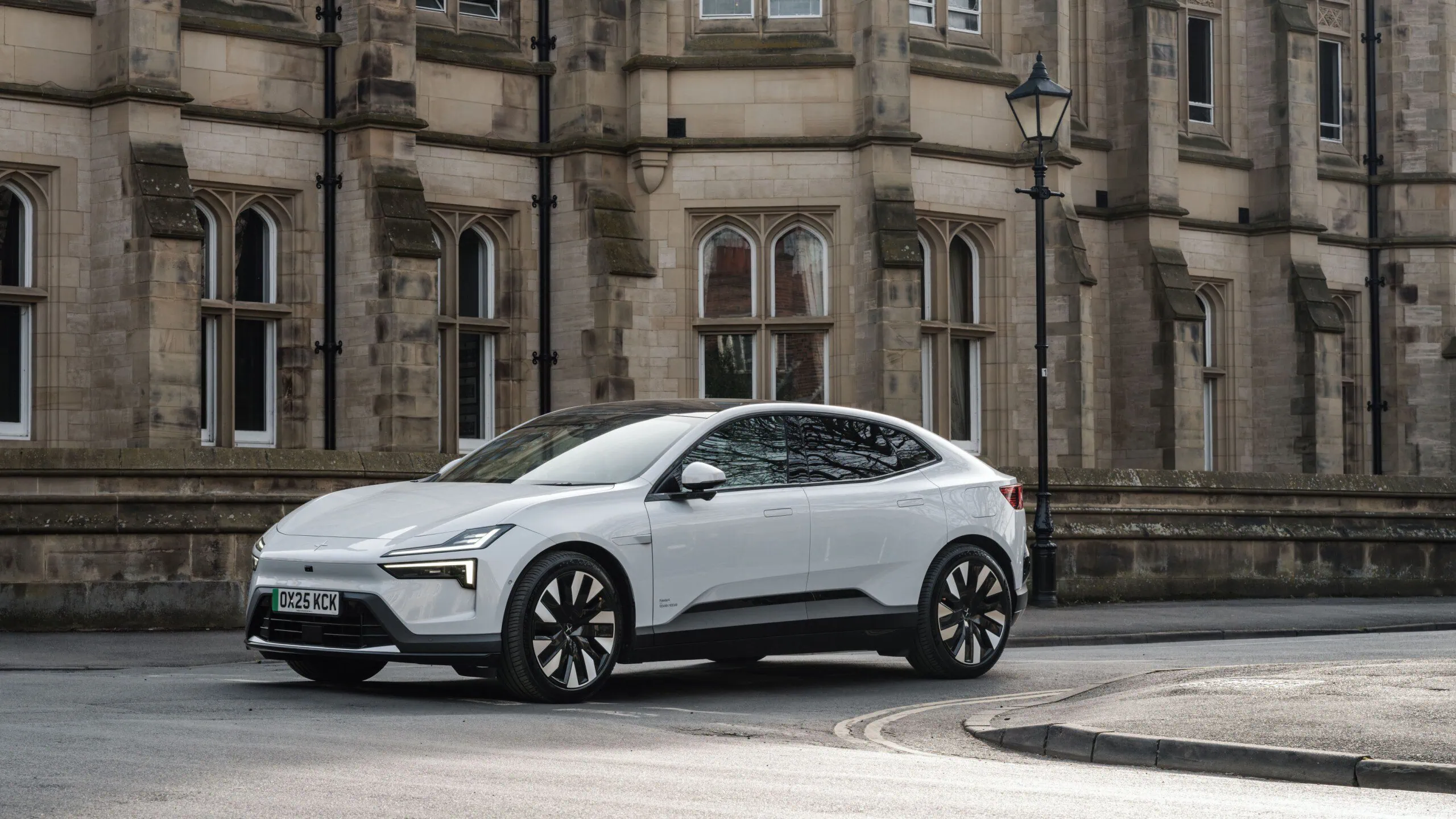
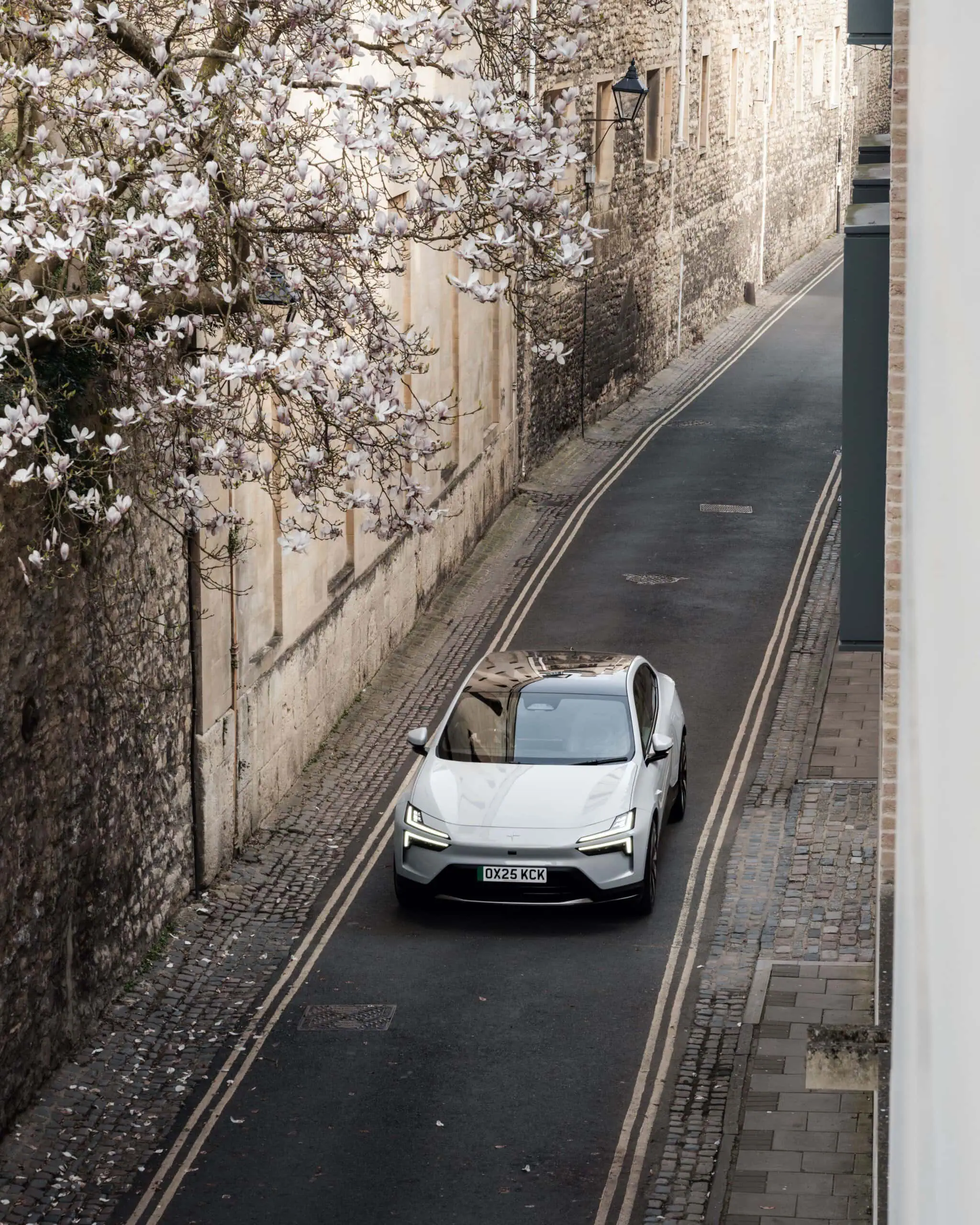
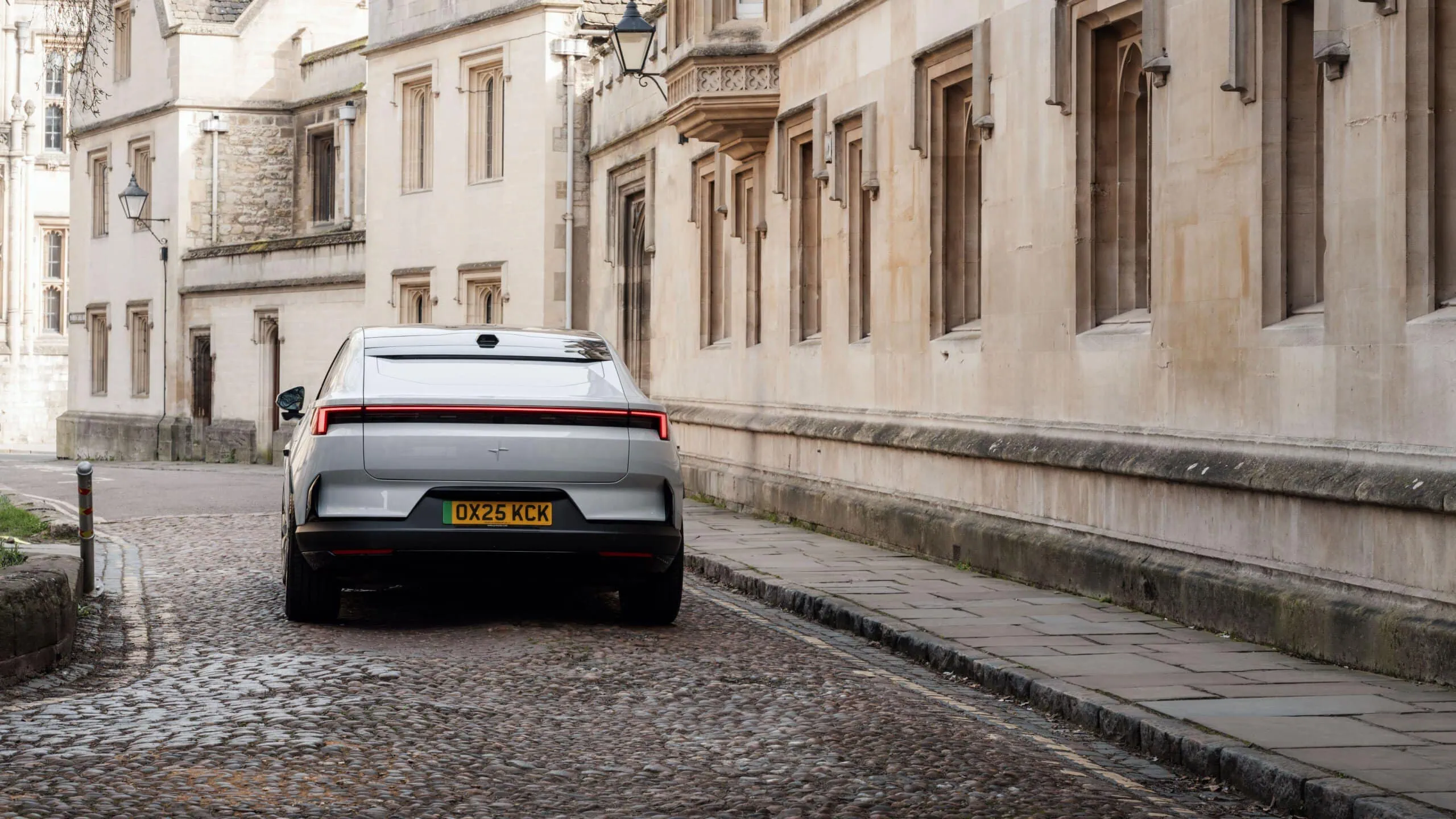
Researchers call for a larger study
Max Klapow, Doctoral Researcher at the Oxford SDG Impact Lab, said: “Performance is not simply about going faster. It is about giving the driver a sense of confidence and control through predictable vehicle responses.”
The researchers stress that this was a feasibility pilot with 12 participants and that a larger study is required to establish the reliability and validity of the findings. A documentary series on the project accompanies the results.
Supplied by Newspress UK (Polestar)
This story is based on aggregated news, press release(s) or other sources and was prepared with the help of AI tools, which can make mistakes. Prices, specifications, general information and availability may change, so confirm the details with the manufacturer, other news sources or a dealer.