

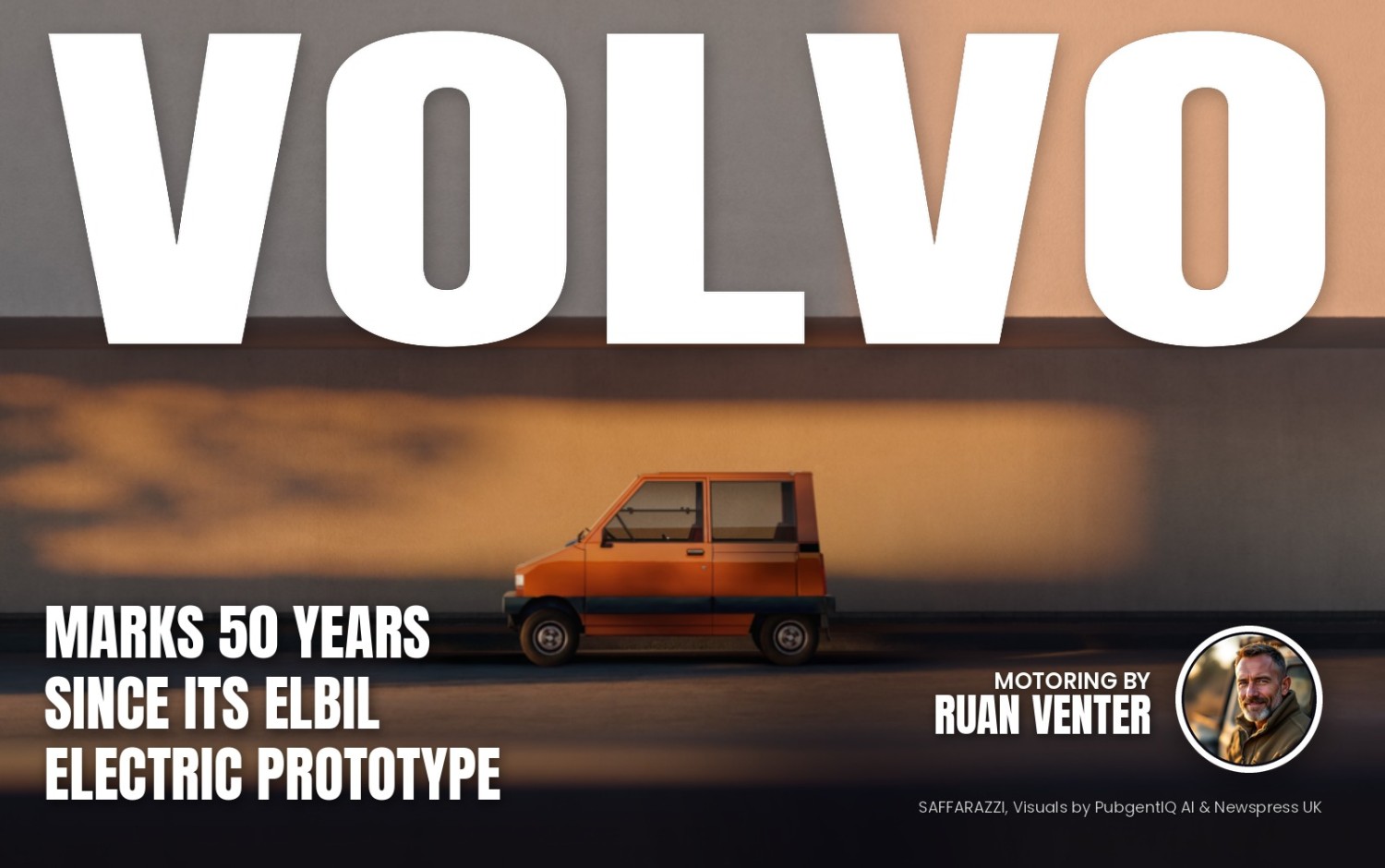
- Elbil prototype unveiled in November 1976.
- Elbil offered 31-mile range, 43mph top speed.
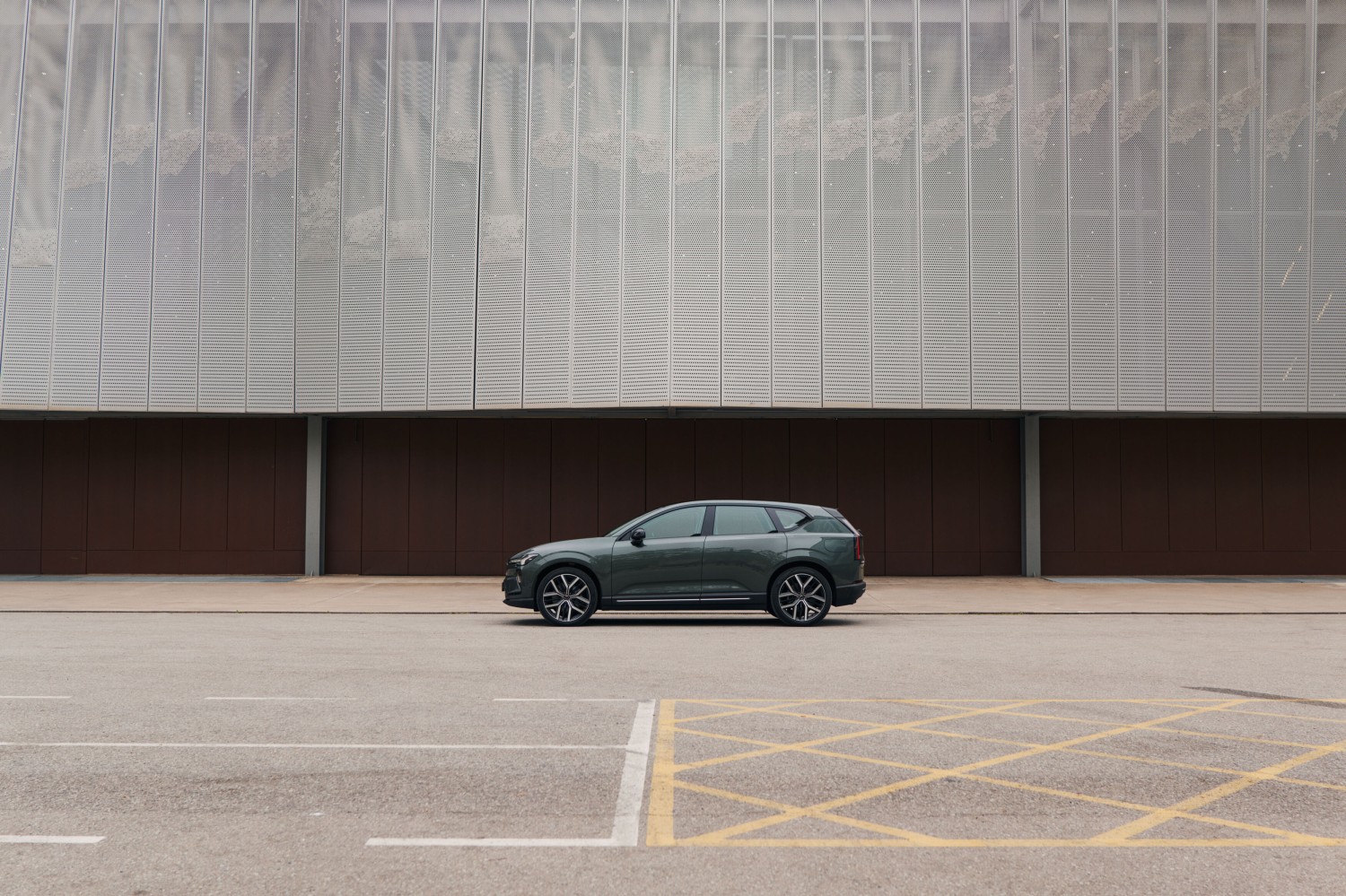
- EX60 P12 AWD claims 503 miles (WLTP).
- EX60 P12 produces 680hp, 0-62mph in 3.9 seconds.
- EX60 charges 10-80% in 19 minutes.
Half a century has passed since Volvo unveiled the Elbil, an orange four-seat electric prototype first shown in November 1976. The brand is marking the anniversary by placing it alongside the new EX60, its latest fully electric car.
Only two examples of the boxy hatchback were built. The second was a butter-yellow, two-seat delivery car with a sliding door, part-funded by the Swedish state and developed for employees of Televerket, Sweden’s former state-owned telecommunications authority, to make emission-free short-distance deliveries around Gothenburg.
Elbil and EX60 batteries and charging
Twelve six-volt lead-acid batteries, totalling 4.3kWh, powered the Elbil. They needed ten hours to charge and gave a range of 31 miles.
By contrast, the EX60 P12 AWD uses a 117kWh lithium-ion battery and has a preliminary WLTP range of 503.3 miles. On a 400kW DC charger it can add up to 211 miles in ten minutes, while a 10 to 80% charge at 370kW takes 19 minutes. It also supports bi-directional charging.
Weight saving and EX60 powertrains
To save weight, the prototype used glass-fibre-reinforced plastic for the bonnet and tailgate and aluminium for the doors and roof, keeping kerbweight to 1,200kg. Its 9.5kW motor, rated at 13hp, was integrated with the rear axle and paired with a step-less transmission for a 43mph top speed.
The newer car is the first built on Volvo’s SPA3 electric architecture, using cell-to-body technology and mega-casting. In-house e-motors power three versions, the P6, P10 and P12, producing 374hp, 510hp and 680hp respectively. The twin-motor P12 weighs 2,330kg, reaches 62mph in 3.9 seconds and tops out at 112mph.
Volvo safety then and now
Every Elbil seat had a three-point safety belt, which Volvo first fitted as standard in 1959, and the orange paint was chosen for visibility. The EX60 gains a multi-adaptive safety belt for front occupants, named one of TIME’s Best Inventions 2025, along with a boron steel safety cage and Connected Safety alerts for roadworks, accidents and vulnerable road users delivered via an over-the-air update.
Nicole Melillo Shaw, Managing Director of Volvo Car UK, said the Elbil showed “our ambition to explore new technologies long before electric vehicles became mainstream”, adding that the EX60 “shows just how far we’ve come”. The release does not give UK pricing for the EX60.
Sourced from Newspress UK (Volvo)
This story is based on aggregated news, press release(s) or other sources and was prepared with the help of AI tools, which can make mistakes. Prices, specifications, general information and availability may change, so confirm the details with the manufacturer, other news sources or a dealer.
Enjoyed this story? We need your help.
Add Saffarazzi as a preferred source. You’ll see more of our stories on Google, and you’ll help us grow.