

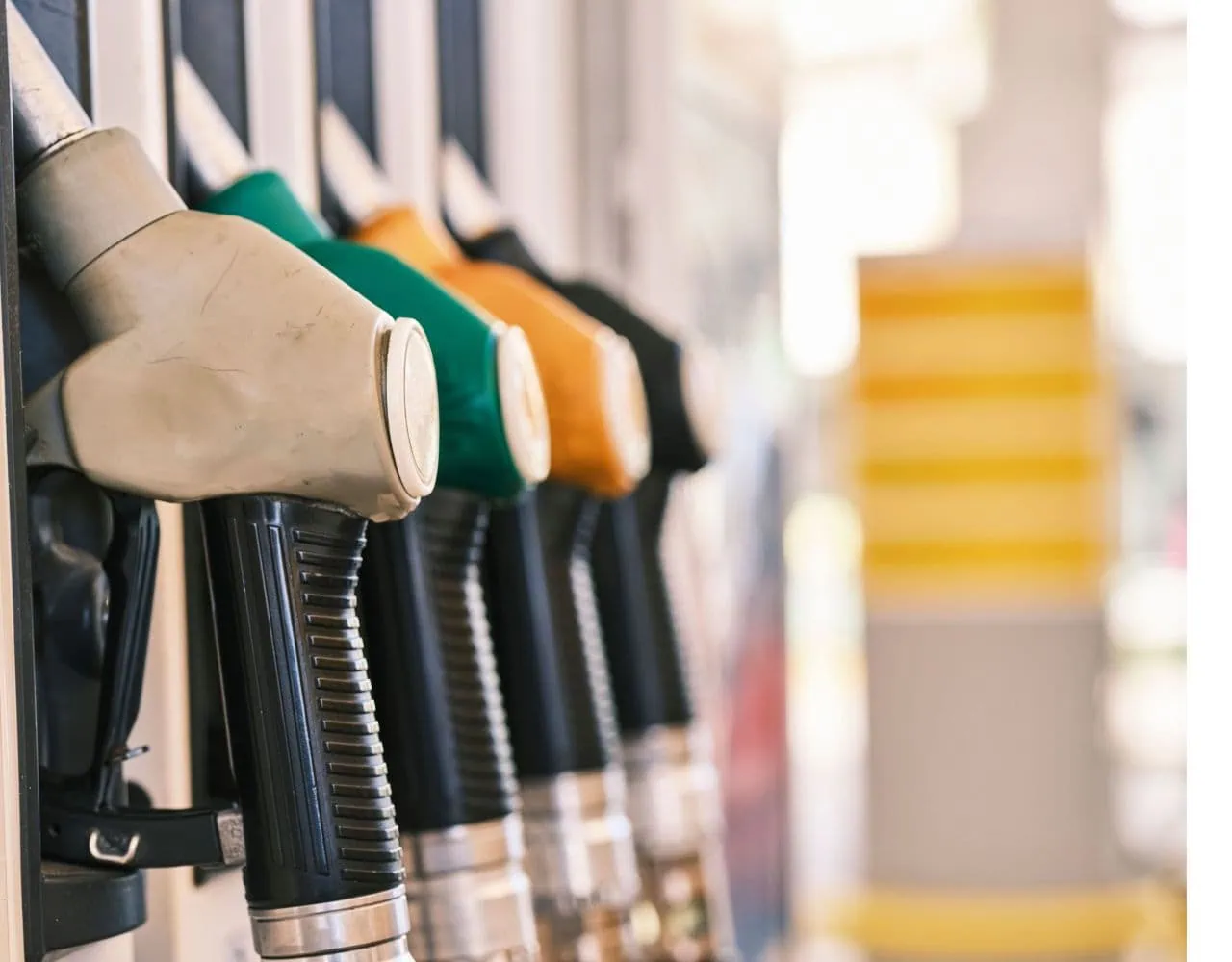
South African motorists could be heading into December with a significantly bigger petrol price reprieve than previously expected. The latest Central Energy Fund (CEF) figures point to a reduction of R3.11 per litre for 95 petrol, while 93 petrol is tracking a cut of R2.86.
The improvement marks a further shift in the December 2026 fuel price forecast, with international petroleum prices driving stronger over-recoveries. But the relief will not extend equally across the fuel market: Diesel is approaching a much narrower outcome after the scheduled reduction in temporary fuel levy relief is factored in.
December petrol price forecast: 95 unleaded set for R3.11 cut
The CEF’s daily fuel price report for 19 November shows an average over-recovery of 360.60 cents per litre for 95 petrol and 336.40 cents for 93 petrol.
An over-recovery means the cost of importing fuel, based on the international product price and the rand-dollar exchange rate, is lower than the amount currently built into South Africa’s fuel price structure.
However, motorists will not receive the full over-recovery as a pump-price reduction. The temporary fuel levy relief introduced in November is being reduced from December, adding 50 cents per litre to the petrol price calculation.
After that adjustment, the indicative December changes are:
- Petrol 93: decrease of approximately R2.86 per litre.
- Petrol 95: decrease of approximately R3.11 per litre.
What could petrol cost in December?
Based on the November inland and coastal prices, the projected reductions would bring prices to:
| Petrol grade | Inland projection | Coastal projection |
|---|---|---|
| 93 unleaded | R27.01/litre | R26.22/litre |
| 95 unleaded | R27.13/litre | R26.26/litre |
These are indicative calculations using the latest CEF-based net adjustments and November pump prices. They are not confirmed December prices and do not account for any further changes to the slate levy or other monthly pricing components.
December diesel price forecast
Diesel’s outlook is considerably tighter. Although both grades are showing over-recoveries, the scheduled R1.50-per-litre reduction in diesel fuel levy relief from December absorbs most of the benefit.
The 18 November CEF figures show average over-recoveries of:
- 500ppm diesel (0.05% sulphur): 146.69 cents per litre.
- 50ppm diesel (0.005% sulphur): 187.97 cents per litre.
After allowing for the R1.50 levy adjustment, the indicative wholesale movements are:
- 500ppm diesel: increase of approximately 3 cents per litre.
- 50ppm diesel: decrease of approximately 38 cents per litre.
The corresponding inland wholesale price indicators would be approximately R30.88 per litre for 500ppm and R31.22 for 50ppm. Coastal indicators are approximately R30.01 and R30.45 respectively.
These are wholesale price estimates, not guaranteed pump prices. Unlike petrol, diesel does not have a regulated retail price, so service-station prices can vary.
- Petrol price cuts have strengthened ahead of December.
- 95 unleaded is now tracking a reduction above R3 per litre.
- Diesel drivers face a far less generous price outlook.
Why petrol prices are falling
The stronger petrol outlook is being driven primarily by lower international petroleum product prices.
The CEF’s 19 November report attributes a substantial improvement in the average petrol recovery to movements in international product prices.
For 95 petrol, the positive contribution from product prices was approximately 369.98 cents per litre over the reporting period.
The exchange rate, however, moved in the opposite direction, reducing the benefit. This is an important consideration for South Africa, which imports crude oil and refined petroleum products priced in US dollars.
Recent oil-market movements have also been volatile.
Brent crude was trading around $92.57 a barrel on Friday, 20 November. Supply concerns and geopolitical risks remain factors that could influence prices before the monthly calculation is finalised.
The rand is another key variable. Any further weakening against the dollar could erode some of the savings currently reflected in the CEF figures.
Fuel levy relief: Why the December calculation differs
The temporary fuel levy reduction announced by Finance Minister Enoch Godongwana in October was introduced to cushion households and businesses against steep fuel costs.
From 4 November until 1 December, the general fuel levy was reduced by R1.50 per litre for petrol and R3 per litre for diesel.
The relief continues at a lower level from 2 December 2026 to 5 January 2027: R1 per litre for petrol and R1.50 per litre for diesel. This means the reduction in relief adds 50 cents to the petrol calculation and R1.50 to diesel.
That distinction matters. The CEF’s over-recovery is not the same as the final price reduction motorists will see. The levy adjustment, slate levy and other regulated components must also be taken into account.
When will December 2026 fuel prices take effect?
The next monthly fuel price adjustment is expected to take effect on Wednesday, 2 December 2026, in line with the first-Wednesday adjustment schedule.
The Department of Mineral and Petroleum Resources will announce the official changes once the monthly pricing period has closed and the final calculations have been completed.
For now, the latest CEF figures point to a substantial reduction for petrol motorists, with 95 unleaded leading the way at a projected R3.11 per litre cut. Diesel remains a more finely balanced picture, with 500ppm close to breaking even and 50ppm showing a modest reduction.
- The projections remain subject to change as international fuel prices and the rand move through the remainder of November.
Enjoyed this story? We need your help.
Add Saffarazzi as a preferred source. You’ll see more of our stories on Google, and you’ll help us grow.