

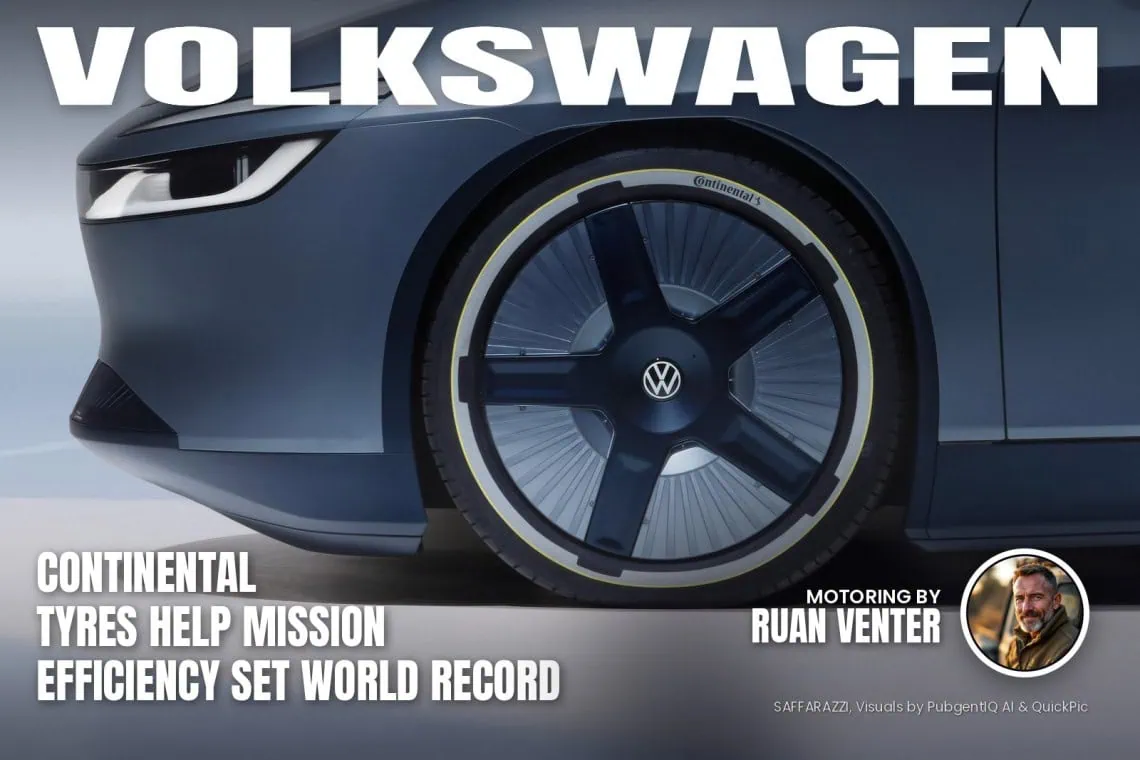

- Mission Efficiency set three world records.
- 7.51 kWh per 100 km including charging losses.
- 1 278.36 km from Wolfsburg to Vienna.
- Tyre rolling resistance of 4.9 kg per ton.
- Record certified on August 24, 2026.
Volkswagen’s Mission Efficiency concept consumed just 7.51 kWh of electricity per 100 km including charging losses, or 6.89 kWh per 100 km excluding them, on a 1 278.36 km drive from Wolfsburg to Vienna under real-world conditions. RID, Rekord-Institut für Deutschland, certified the record on August 24, 2026. The trip needed only one charging stop and ended with 164 km of range remaining.
Continental supplied a specially developed concept tyre for the run. “The record shows that increasing the range of electric cars does not necessarily require larger batteries,” says Dr. Christian Strübel, Continental’s expert in rolling resistance for passenger car tyres.

Why rolling resistance matters for range
With every revolution, a tyre deforms where it meets the road, and that deformation consumes energy that would otherwise drive the car. Around 20 percent of an electric vehicle’s battery energy goes into overcoming this resistance, so lower rolling resistance means more range from the same charge.
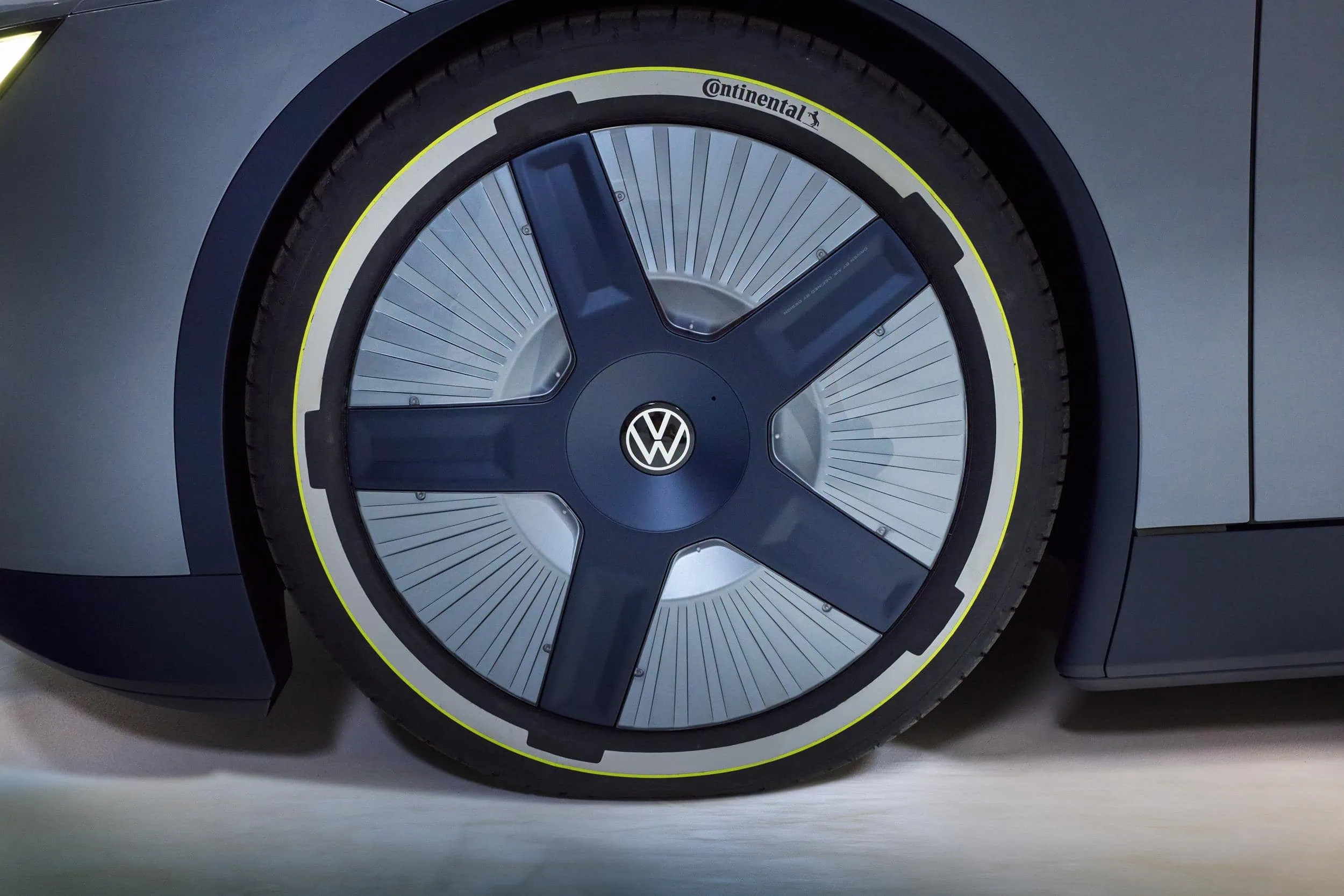
The concept tyre achieves 4.9 kilograms per metric ton, around 25 percent below the threshold for the highest class A rating on the EU tyre label. It is based on the EcoContact 7 production tyre, modified to Volkswagen’s specifications so that it deforms even less as it rolls.
How the Continental concept tyre was made
Its sidewall follows the design principle of the EcoContact 7, giving stability without adding rolling resistance, while the tread compound was tailored to the carcass and tread pattern to cut energy losses. A new vulcanisation process also plays a part. Instead of curing the whole tyre at one temperature, Continental exposes different areas, such as the tread and sidewall, to different temperatures, which lowers rolling resistance in the tread further.
Noise was addressed too. Engineers varied the spacing and angles of the tread blocks so that the sounds they produce partially overlap and cancel out, a principle similar to noise-cancelling headphones. Without engine sound, tyre noise is far more noticeable in an electric car.
Three records for the Mission Efficiency
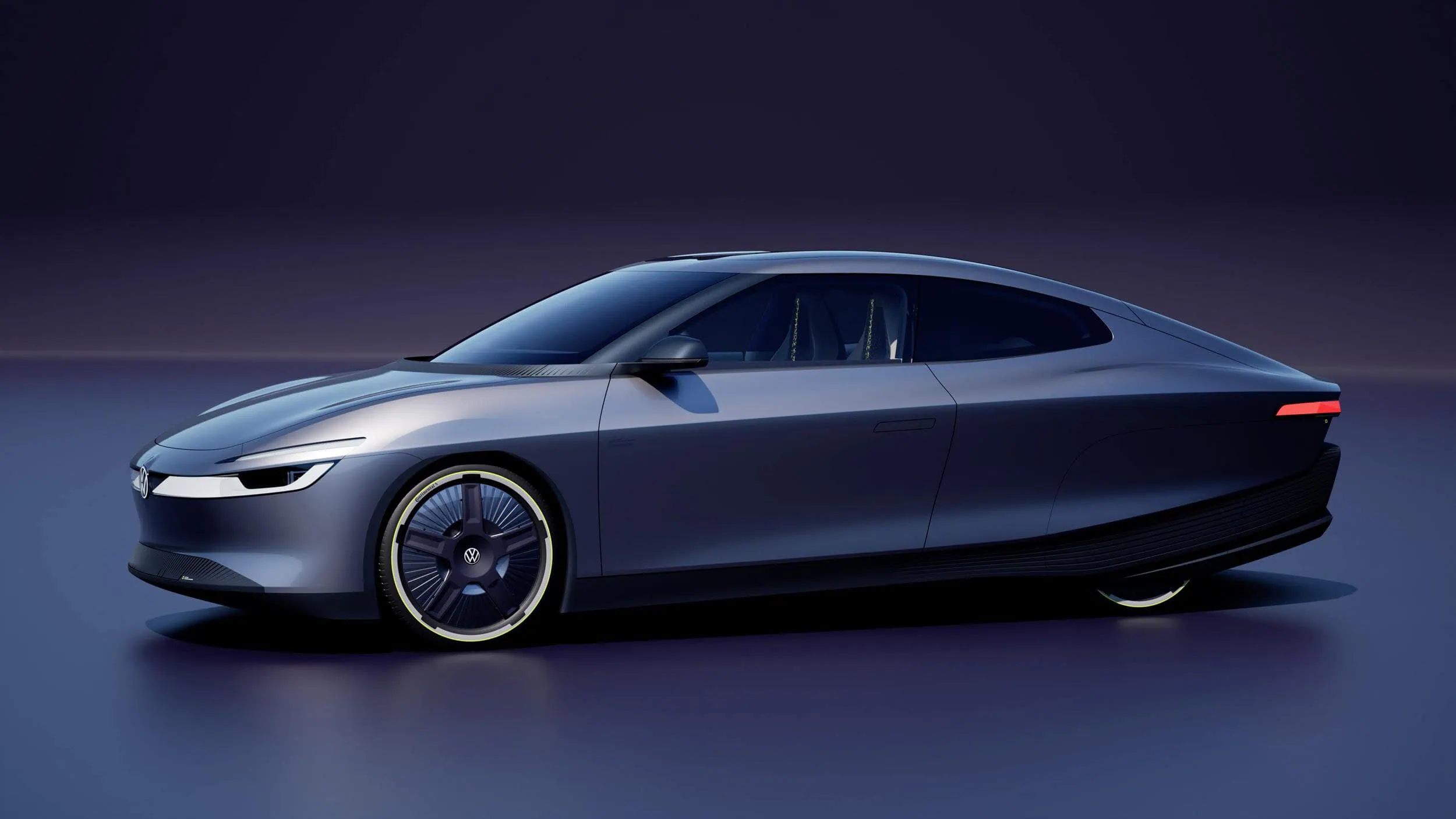
The concept became the world’s most aerodynamic near-production vehicle, with a drag coefficient of 0.158. It also claimed the title of most efficient four-seat electric vehicle in its class in a single drive under controlled conditions, and most economical near-production four-seat electric vehicle on an officially documented long-distance drive under real-world conditions.
Much of the car, including its battery and drivetrain, comes from the ID. Polo. Continental worked with Volkswagen’s vehicle and aerodynamics engineers from an early stage, and the tyre’s colour-accented sidewall carries styling elements from the concept. The ID. Polo production car is already fitted with the EcoContact 7 as standard.
Supplied by QuickPic (Continental)
This story is based on aggregated news, press release(s) or other sources and was prepared with the help of AI tools, which can make mistakes. Prices, specifications, general information and availability may change, so confirm the details with the manufacturer, other news sources or a dealer.